
Inner Growth
Play Inner Growth
Inner Growth Screenshots
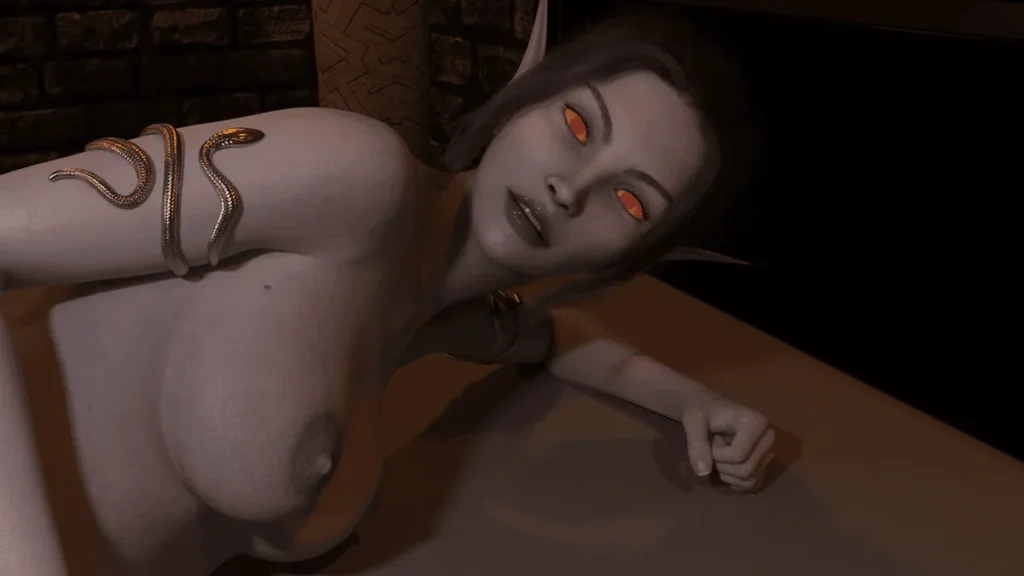
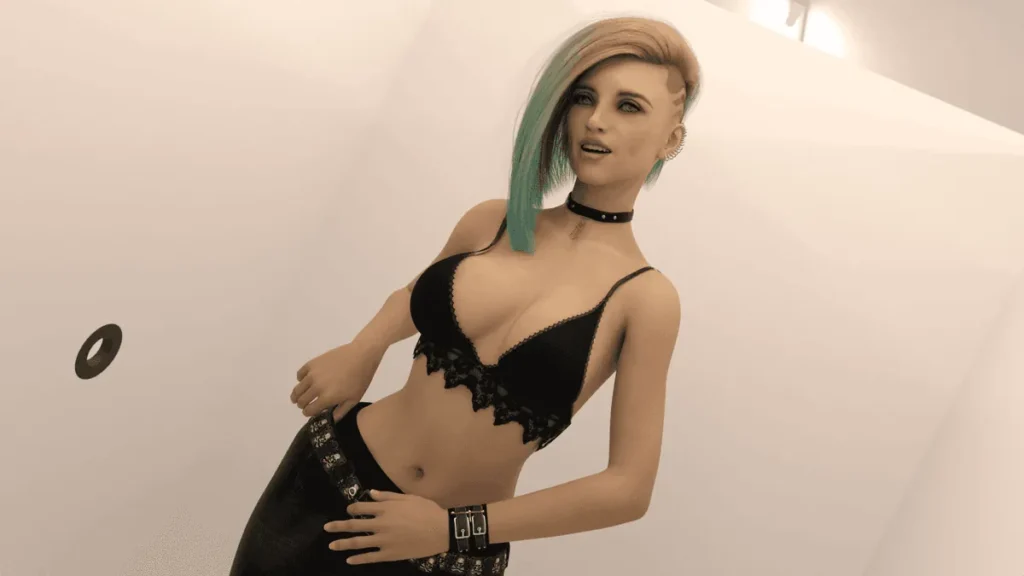




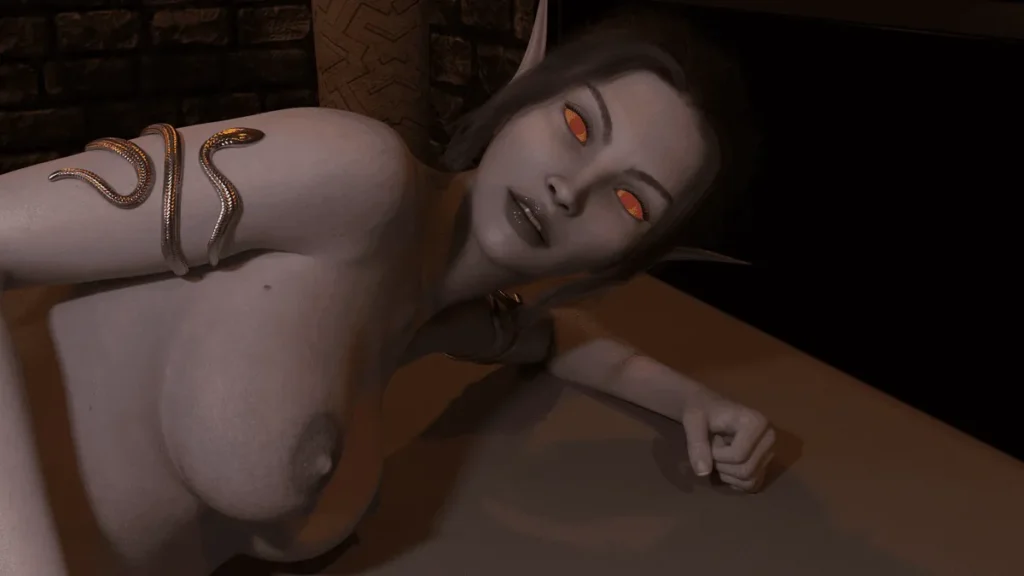
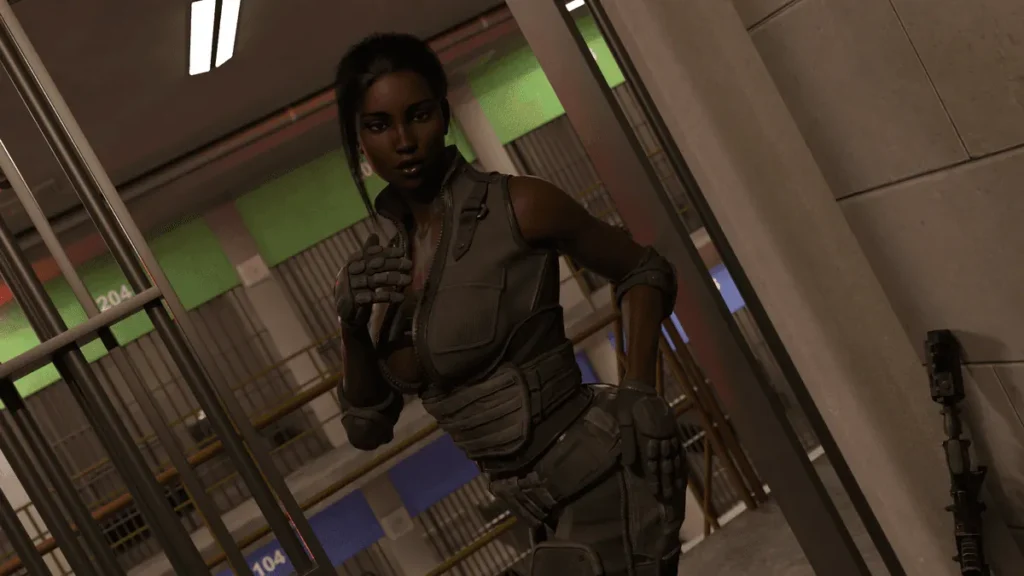




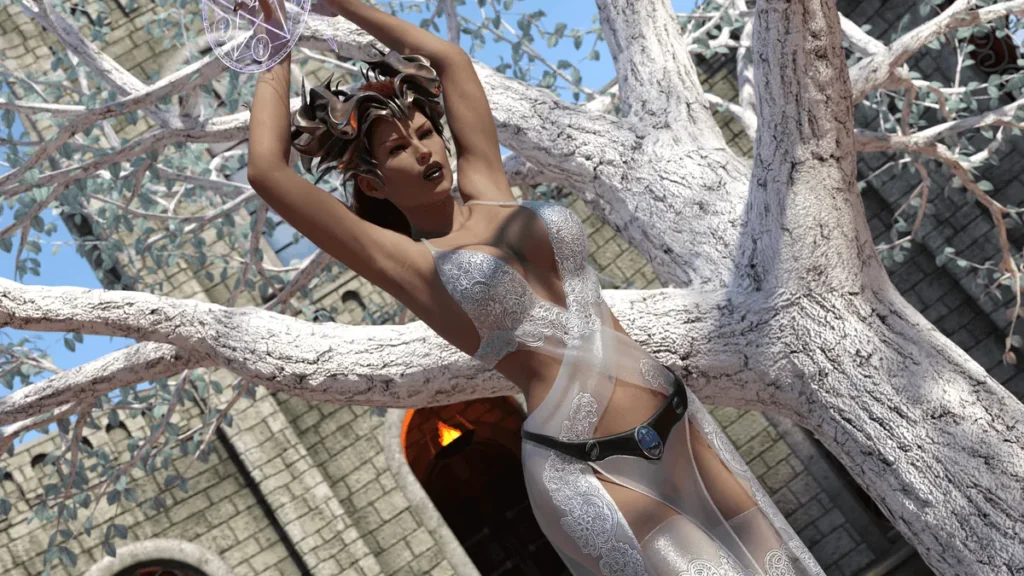
Inner Growth review
Explore the decision-driven narrative experience where your choices shape Thalna’s journey through two worlds
Inner Growth stands out as a narrative-driven experience that combines storytelling with meaningful decision-making mechanics. Developed by Morally Purple, this game follows Thalna, a protagonist navigating between the underworld and human realm, where every choice carries weight and consequences. Unlike traditional games that offer superficial branching paths, Inner Growth integrates character development with relationship dynamics, creating a personalized journey for each player. The game’s focus on emotional intelligence and personal growth through interactive storytelling has garnered attention from players seeking depth beyond surface-level entertainment. Whether you’re interested in understanding the game’s narrative structure, exploring its choice system, or discovering what makes it unique in its genre, this guide covers everything you need to know about Inner Growth.
Understanding Inner Growth: Story, Setting & Protagonist
Ever found yourself playing a game where the story feels like it’s on rails, and your choices are about as meaningful as a coin flip? 🙄 I know I have. You’re clicking through dialogue, half-hoping for a branch in the path, only to end up at the same predetermined cutscene as everyone else. It leaves you wondering, “What was the point?”
That’s precisely why the Inner Growth game story hooked me from the start. This isn’t just a tale you watch; it’s a life you shape. At its heart is a narrative-driven gameplay experience where every decision, from the mundane to the monumental, vibrates through the life of its unforgettable Thalna protagonist character. Your choices don’t just alter endings; they fundamentally redefine who Thalna becomes.
So, grab a drink, get comfortable, and let’s dive into the rich foundations of this world. We’re going to explore who Thalna is, the incredible underworld human realm setting she navigates, and the profound themes that make playing this game feel less like a pastime and more like a journey of self-discovery. ✨
Who is Thalna and Her Background?
Let’s be honest, we’ve seen our share of chosen ones and reluctant heroes. Thalna is something gloriously different. Imagine someone who has never known a moment of want, doubt, or consequence. That’s Thalna at the beginning.
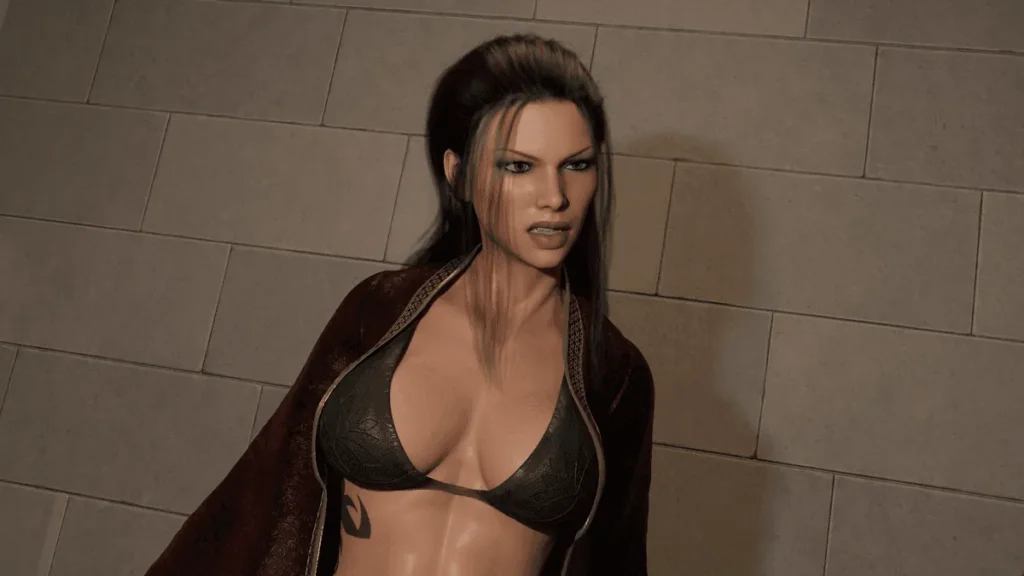
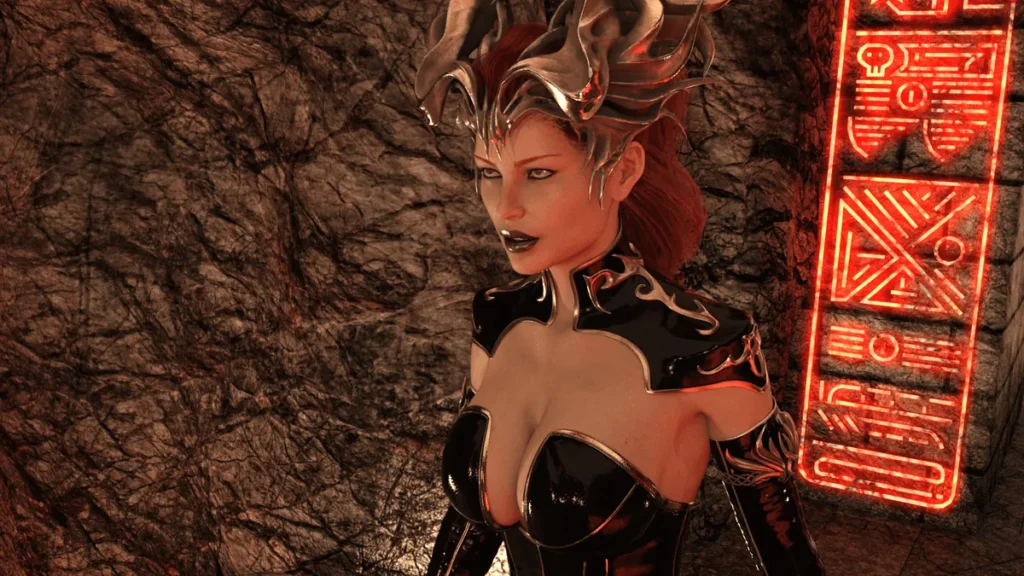
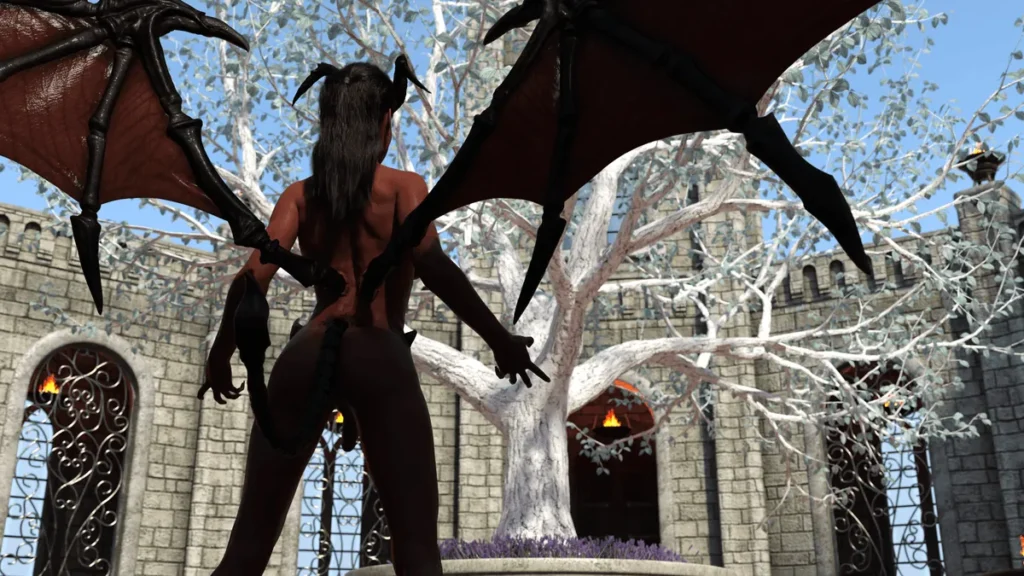
She is the princess of the Underworld, the spoiled and coddered only daughter of its formidable Queen. Her life has been a never-ending parade of luxury, adoration, and absolute power. Demons bow, her every whim is law, and the concept of “no” simply doesn’t exist in her vocabulary. She’s not evil, mind you—just profoundly, utterly ignorant of any reality beyond her gilded cage. 🏰
This makes her the perfect vessel for a story about growth. We don’t meet her as a blank slate or a hero-in-training. We meet her as a deeply flawed, self-centered, and emotionally stunted young woman. The brilliance of the Thalna protagonist character design is that her starting point is so far from “heroic.” This gives the character development mechanics an incredible runway. Every lesson she learns—about empathy, consequence, vulnerability—feels earned because she starts with none of it.
Her background is her prison, but also her defining trait. That sense of underworld royalty is woven into her very being: her arrogance, her expectations, and her unique, demonic perspective on the world she’s suddenly thrust into. Watching this bratty princess slowly unravel and then rebuild herself into something new is the core magic of the Inner Growth experience.
The Underworld and Human Realm: Two Worlds Collide
The stage for Thalna’s transformation is a masterclass in world-building. We’re not dealing with a simple “good vs. evil” heaven and hell dichotomy. The underworld human realm setting is built on a fascinating and morally ambiguous premise: The angels are gone.
Poof. Vanished. And in the power vacuum they left behind, demons have risen. They aren’t mustache-twirling villains by default; they’re a complex society with its own rules, hierarchies, and culture. The Underworld is a place of dark beauty, raw emotion, and ruthless pragmatism. It’s all Thalna has ever known.
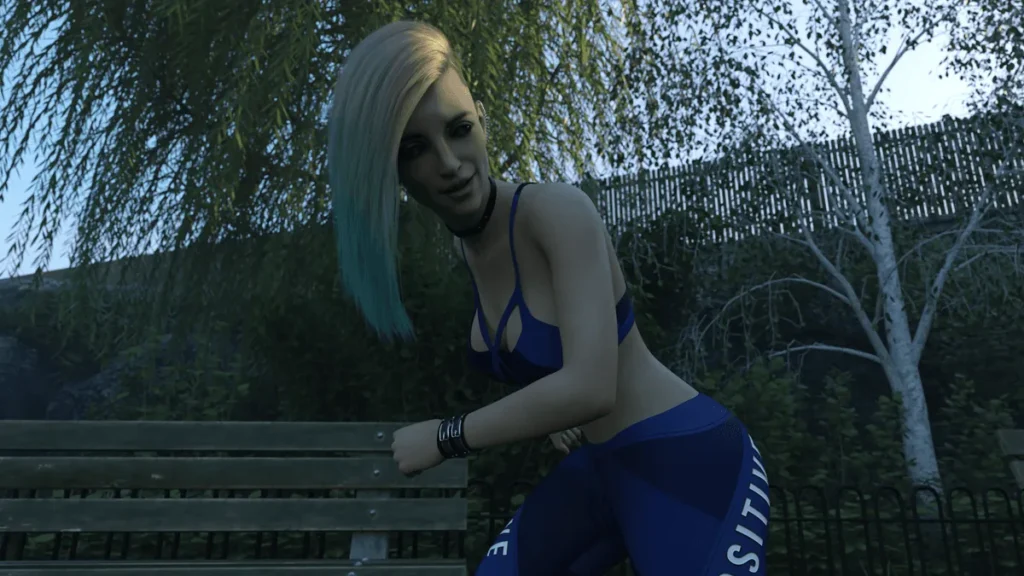
Then, due to unforeseen circumstances (no spoilers here! 🤫), she is violently ejected from this familiar darkness and dumped into the blinding, chaotic, and utterly mundane Human Realm. This collision is the engine of the entire Inner Growth game story.
Think about the culture shock: from a place where power is overt and emotional currents are visible, to a world where humans hide their desires, follow confusing social rules, and are frighteningly fragile. The air smells different. The food is bland. The people are confusing. For Thalna, it’s not just an exile; it’s an existential crisis.
This dual-world structure isn’t just a cool backdrop. It’s the crucible for her growth. Every interaction in the Human Realm forces her to question her Underworld instincts. Is dominance the only path? What is this strange human concept of “consent”? Can vulnerability be a strength? The contrast between these realms forces the player, through Thalna, to constantly evaluate and re-evaluate their understanding of morality, power, and connection.
Here’s a personal example from my playthrough: Early on, Thalna meets a human shopkeeper who is being intimidated by a local bully. My Underworld-instinct choice was to immediately dominate and threaten the bully, asserting Thalna’s innate power. It worked—he fled. But the consequence? The shopkeeper was now terrified of me too. I achieved the short-term goal but destroyed any chance of trust or a genuine relationship. In another playthrough, I chose to outsmart the bully using human legal threats. It was slower, felt “weaker” to my demon-princess mindset, but it earned the shopkeeper’s gratitude and a lasting alliance. The game didn’t tell me one was “right.” It just showed me the moral choices consequences, making me feel the weight of my chosen identity.
Narrative Themes and Character Development
If the worlds are the crucible, then the themes are the fire. Inner Growth weaves together several powerful threads, but they all tie back to one central idea: evolution of the self.
Power Dynamics & Morality: Thalna was at the top of the food chain. Now, she’s often powerless, or worse, must learn to wield power in new ways. The game constantly asks: Do you use your otherworldly nature to manipulate humans for your gain? Or do you learn to operate on their terms? Is a demon’s morality inherently different from a human’s? Your decisions craft your answer, and the world reacts accordingly. This is the essence of its narrative-driven gameplay—the plot is a direct reflection of the ethical compass you help Thalna build.
Sexual Awakening & Emotional Intimacy: Now, this is handled with a nuance I genuinely admire. The sexual awakening themes in Inner Growth are deeply intertwined with the character development mechanics. They are not gratuitous. For Thalna, whose Underworld life likely involved transactions of pleasure as a form of currency or dominance, encountering human intimacy is bewildering.
These moments—whether tender, passionate, or awkward—are framed as catalysts. They are opportunities for Thalna to explore vulnerability, trust, mutual desire, and emotional connection for the first time. Does she see intimacy as another tool for control? Or can she let her guard down and experience it as a shared, transformative connection? The path you choose fundamentally alters her capacity for relationships and her understanding of her own heart. ❤️🔥
The Mechanics of Change: So, how does the game track this monumental shift? It’s not just a “good/evil” meter. The character development mechanics are subtle and pervasive. Your choices in dialogue, action, and intimacy influence hidden traits like Empathy, Cunning, Pride, and Vulnerability. These traits don’t just change ending slides; they unlock or lock specific dialogue options, alter how NPCs perceive and react to Thalna, and even open up entirely new narrative branches mid-game.
The replay value is staggering. In one playthrough, you might guide Thalna to become a cunning infiltrator who uses seduction as a weapon, mirroring her mother’s underworld politics but in the human realm. In another, she might become a protector who uses her demonic strength to shield the vulnerable, forging a new kind of morality. Each path feels authentic because it’s built, choice by choice, from the spoiled princess you started with.
| Your Choice Influences… | Which Alters Thalna’s… | Leading to Potential… |
|---|---|---|
| How you resolve conflicts (Force, Guile, Empathy) | Core Traits (Pride, Cunning, Compassion) | Unique story branches and companion alliances |
| Your approach to intimacy & relationships | Understanding of Vulnerability & Trust | Deeply different romance subplots and endings |
| Your moral stance on human vs. demon nature | Fundamental Self-Identity | Drastic shifts in the game’s final act and conclusion |
In the end, Inner Growth is more than a game. It’s a poignant exploration of what it means to find yourself when everything you knew about the world—and yourself—is stripped away. The Inner Growth game story gives you the tools, the fascinating Thalna protagonist character, and the breathtaking underworld human realm setting to explore that journey. It’s a testament to how powerful narrative-driven gameplay can be when it has the courage to tie every sexual awakening theme and every moral choices consequence directly to the heart of its character development mechanics. Your first playthrough will be personal. Your second will be a revelation. And that, to me, is the mark of something truly special. 🌱
Inner Growth represents a thoughtful approach to narrative-driven gaming that prioritizes meaningful choices and character development. The game’s integration of personal growth with interactive storytelling creates an experience where players genuinely feel the weight of their decisions. Through Thalna’s journey between two worlds, players explore themes of morality, power dynamics, and self-discovery in ways that extend beyond traditional gameplay. The choice-based mechanics ensure that each playthrough offers a unique narrative path, encouraging players to experience multiple outcomes and perspectives. Whether you’re drawn to the game’s storytelling depth, its innovative approach to decision-making, or its focus on emotional intelligence, Inner Growth delivers a comprehensive experience that respects player agency. For those seeking a narrative-driven game with meaningful consequences and character-driven storytelling, Inner Growth offers a compelling journey worth exploring.