Cloud Meadow Screenshots


Cloud Meadow review
Master farming, dungeon exploration, and character relationships in this hybrid simulation RPG
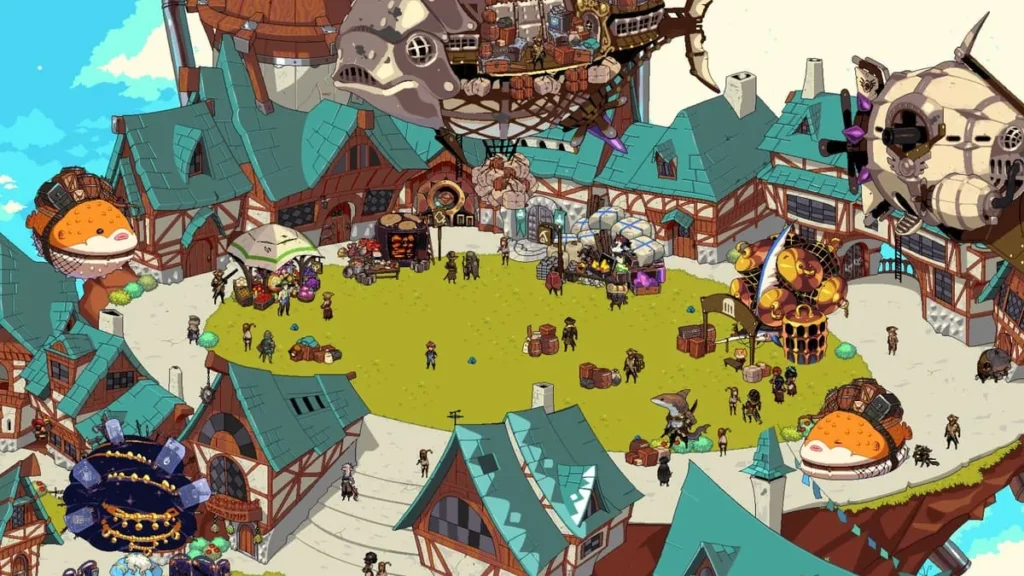
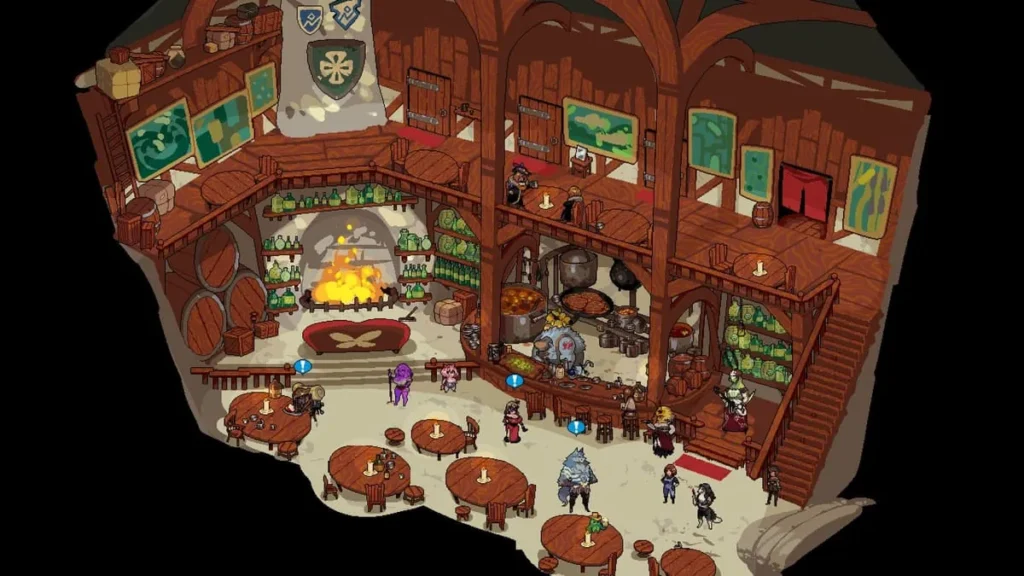
Cloud Meadow stands out as a unique hybrid experience that seamlessly blends farm simulation with dungeon-crawling adventure. Set in a fantasy world of floating islands where humans and legendary creatures coexist, this indie title invites players to take on the role of an explorer and farmer. Whether you’re drawn to the relaxing aspects of farm management or the strategic depth of turn-based combat, Cloud Meadow delivers a diverse gaming experience. This comprehensive guide explores everything you need to know about the game’s core mechanics, character systems, and what makes it a compelling choice for players seeking something different from traditional RPGs.
Core Gameplay Mechanics: Farming, Combat & Exploration
Ever felt like your gaming life is split in two? 😅 On one hand, you crave the cozy, satisfying rhythm of building something from nothing—planting seeds, raising animals, watching your little world thrive. On the other, you itch for the thrill of strategic battle, the puzzle of a tough enemy encounter, and the loot-filled depths of a dangerous dungeon. What if you didn’t have to choose?
Welcome to Cloud Meadow, the game that masterfully stitches these two experiences into one breathtaking tapestry on the floating islands. The true magic of Cloud Meadow gameplay mechanics lies in how these seemingly opposite halves—serene farming and tense tactical combat—fuel and inform each other. It creates a loop so engaging that “just one more day” turns into “just one more dungeon floor” and back again until sunrise. Let’s break down exactly how this beautiful machine works.
How Farm Management Works in Cloud Meadow
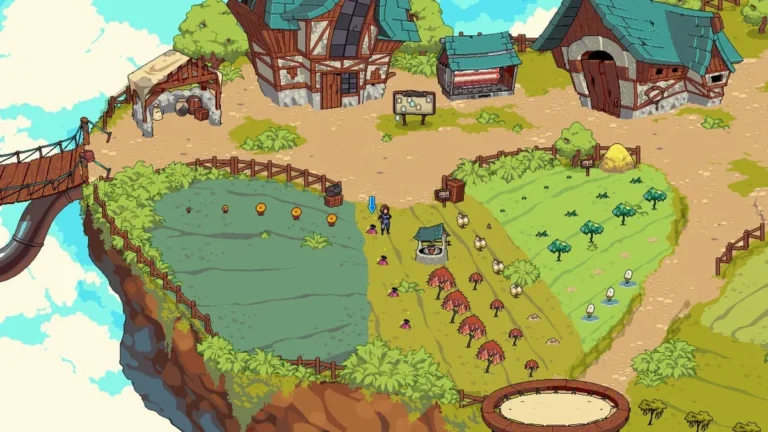
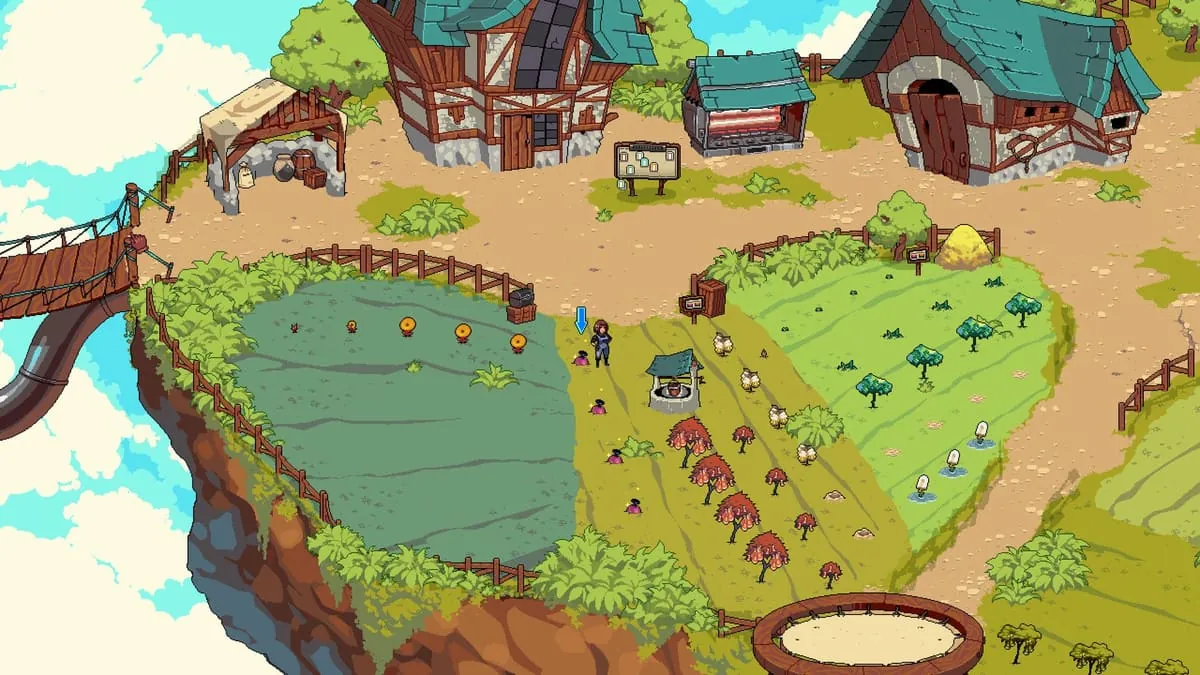
Forget everything you think you know about farm sims. This isn’t just about planting parsnips in neat rows. Building your homestead in the sky is a deeply rewarding engine of creation and progression. When you start learning how to build farms in Cloud Meadow, you’re not just decorating a plot; you’re establishing the vital supply line for all your adventures.
It begins with the basics: clearing your plot, tilling soil, and planting the first generation of seeds you find or buy. But the farm management simulation depth reveals itself quickly. Each crop has a specific season where it thrives, and animals you befriend or breed require care and attention to produce resources. It’s a system that encourages experimentation. I remember planting my entire first plot with what I thought were simple wheat seeds, only to discover they were a unique variant that only yielded under specific cloud-cover conditions I hadn’t created yet! 🌱
The progression is where it gets brilliant. Your farming efforts directly empower your explorer. You’re not just growing food to sell; you’re cultivating the very resources needed for crafting, cooking, and alchemy. Need a powerful healing salve for a deep dungeon dive? You’ll likely need to grow the Glow-Berries and milk your friendly Star-Spotted Cow. This direct link makes every farming action feel meaningful.
Here’s the core loop:
1. Gather & Cultivate: Collect seeds from exploring or purchase them. Plant, water, and harvest.
2. Process & Produce: Use machines like mills, cheese presses, and looms to turn raw crops, milk, and wool into advanced materials.
3. Craft & Equip: Use those materials at your crafting bench to create better tools, powerful potions, and crucial combat gear.
4. Explore & Replenish: Venture into dungeons to gather rare seeds, find new animal companions, and obtain unique resources to improve your farm further.
Your farm is your permanent, upgradeable base. As you expand, you can build coops, barns, and even magical greenhouses to control the environment. This aspect of the Cloud Meadow gameplay mechanics is a constant, relaxing counterpoint to the dungeon’s dangers. There’s a profound satisfaction in returning from a grueling expedition to the peaceful routine of tending to your creatures and watching your automated sprinklers do their work. It’s the perfect palate cleanser and preparation zone rolled into one.
Turn-Based Combat System and Dungeon Exploration
When you descend from your tranquil sky-island into the mysterious dungeons below, the gameplay shifts gears dramatically. This is where your farming pays off—literally, in the gear you wear and the items in your pack. The dungeon exploration strategy in Cloud Meadow is all about preparation, adaptation, and smart resource management.
Dungeons are structured as multi-floor challenges. You’ll enter a floor, which is a series of interconnected rooms filled with resources, puzzles, and enemies. Your goal is to find the exit to the next floor, going deeper for greater rewards. But beware: leaving the dungeon resets your progress within it. This creates a fantastic risk-reward tension. Do you push deeper with dwindling supplies for that legendary seed on floor 10, or do you cash in your current loot and retreat safely? 💎
Enemies range from common slimes and beetles to elemental wisps and, eventually, screen-filling giant bosses that require every ounce of your tactical skill. Each monster type has specific behaviors and weaknesses. Learning these patterns is the heart of a good dungeon exploration strategy. You wouldn’t use the same blunt approach on a fire spirit that you would on a rock golem.
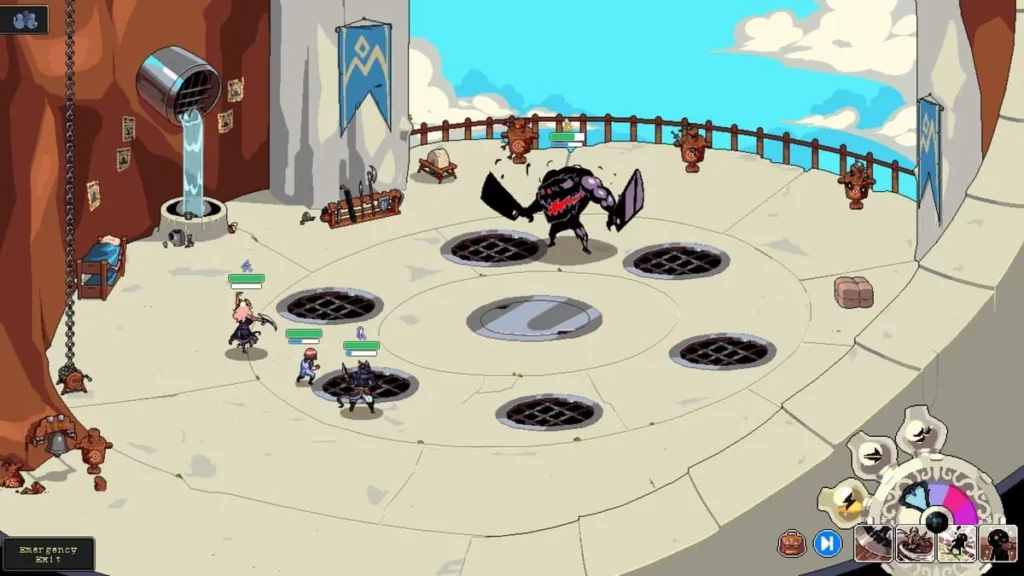
This leads us to the brilliant turn-based combat system. Battles are initiated on the dungeon map and take place on a dedicated grid-based battlefield. Unlike static menu selection, Cloud Meadow’s system incorporates positioning and area-of-effect. Your placement matters! A poorly positioned character might hit an ally with a wide swing, or miss a grouped-up set of enemies with a single-target spell.
The combat follows a clear turn order, visible on the UI, so you can plan ahead. On a character’s turn, they can move to a better square, use a basic attack, unleash a special skill (which consumes Focus), or use an item. The tactical depth comes from skill combinations and enemy targeting.
Pro Tip: Always check an enemy’s intent! Most foes will telegraph their next attack—like targeting a specific grid area for a big hit. Moving an ally out of that zone is often more valuable than dealing damage that turn.
The turn-based combat system scales beautifully with difficulty. Early floors teach you the basics, while later ones throw complex enemy groups that force you to prioritize targets, manage your team’s Focus (the resource for skills), and use the environment to your advantage. A boss fight isn’t just a damage sponge; it’s a multi-stage puzzle where you might need to destroy spawning crystals, avoid ground effects, and time your biggest attacks for a vulnerability phase. It’s demanding, fair, and incredibly satisfying to master.
To help you plan your delves, here’s a breakdown of what you might face:
| Dungeon Floor Range | Environment & Hazards | Common Enemy Types | Key Challenge | Formation Tip |
|---|---|---|---|---|
| Floors 1-3 | Grassy, simple layouts. Few hazards. | Slimes, Beetles, Small Bats | Learning basic combat flow and resource gathering. | Any simple setup works. Focus on learning skill ranges. |
| Floors 4-7 | Caverns with water patches (slows movement). | Spiked Crabs, Poisonous Fungi, Stone Sprites | Managing battlefield control and dealing with area-denial (poison puddles). | Bring a ranged character to deal with enemies across hazards. |
| Floors 8-10+ & Mini-Bosses | Complex rooms with elemental zones (e.g., burning floors). | Elemental Wisps, Armored Trolls, Spellcasting Imps | Target priority and elemental resistances. Mini-bosses with special mechanics. | A balanced team is crucial. A tank to hold the front, a healer/support, and focused damage dealers. |
| Boss Floors | Unique arenas with interactive elements (crystals to break, platforms). | Giant Boss Monsters (e.g., Crystal Golem, Storm Whelp) | Multi-phase fights requiring adaptive tactics, dodging telegraphed mega-attacks, and managing add spawns. | Highly specialized. Maximize survivability with a dedicated healer and ensure you have the right elemental damage type. |
Character Formation and Strategic Battle Tactics
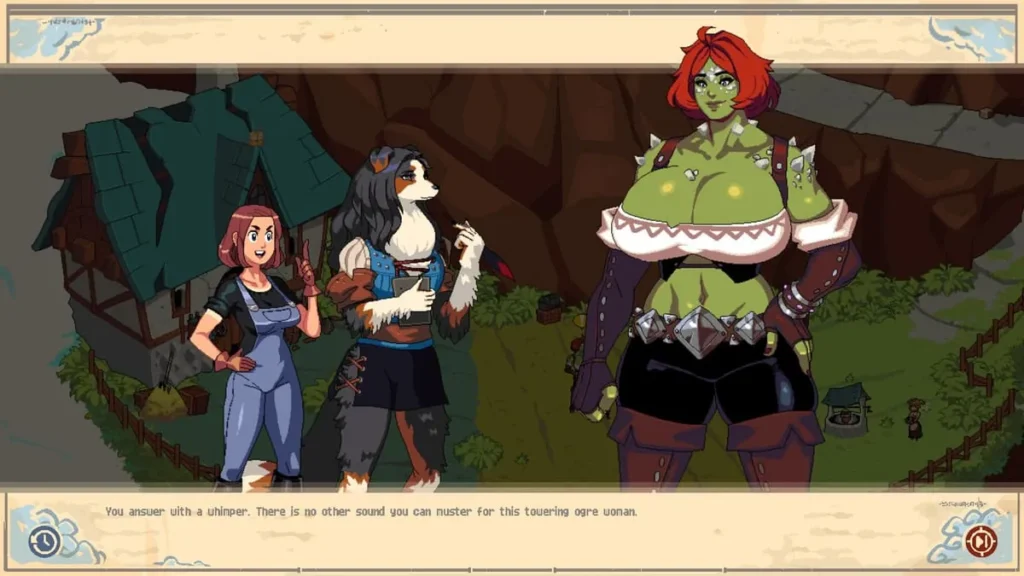
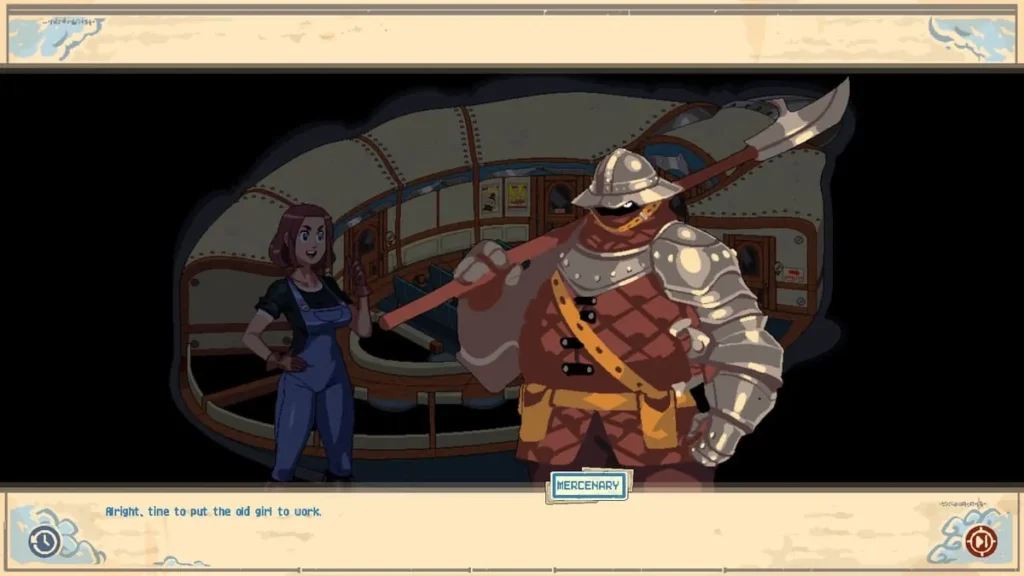
Your party is your most important tool, and how you assemble it defines your playstyle. This is where character formation tactics move from theory to practice. You don’t just control one avatar; you command a small team, each member with a unique set of skills, strengths, and roles.
Characters typically fall into familiar but flexible archetypes: the stalwart Vanguard who soaks damage and holds the line, the nimble Striker who deals heavy physical damage, the wise Weaver who manipulates the battlefield with magic and debuffs, and the nurturing Caretaker who heals and buffs the team. The strategy comes from mixing and matching these roles based on the dungeon you’re tackling and the enemies you expect to face.
Building an effective formation is the first step in any Cloud Meadow combat guide. Here is a step-by-step approach to building your team:
- Identify the Core Threat: Before entering a dungeon, think about its theme. Is it a fungal cave full of poison enemies? A fiery pit? Your character formation tactics should include characters with relevant resistances or cleansing abilities.
- Establish Your Front Line: This is usually your toughest character. Their job is to engage the most dangerous melee enemies, keeping them away from your softer backline. Skills that “taunt” or provoke enemies are gold here.
- Choose Your Damage Dealers: Decide between physical (good against low armor) or magical (good against high armor) damage. Consider if you need area-of-effect (AoE) skills for groups or single-target nukes for bosses. Positioning your Strikers to flank enemies can often yield damage bonuses! ⚔️
- Lock In Your Support: Never underestimate a healer or buffer. A Caretaker can keep your team fighting through sustained damage, while a Weaver can lower an enemy’s defense, making your entire team hit harder. Sometimes, preventing damage is better than healing it.
- Practice Skill Synergy: This is the advanced layer. Some skills combo! For example, a Weaver might use “Drench” to make enemies wet, and then a Striker could use “Shocking Strike” for massive extra damage. Experiment with your team’s skill sets to discover these powerful interactions.
In the heat of battle, your strategic battle tactics need to be fluid. It’s not just about using the strongest attack every turn. Consider the action economy:
* Is it better to spend your healer’s turn topping someone off, or using a buff that increases the entire party’s defense for three turns?
* Should your mage blast a group of weak enemies, or disable the one powerful enemy charging a deadly attack?
* Do you use your precious Focus points now, or save them for the boss room you suspect is ahead?
My personal “aha!” moment came during a brutal boss fight against a giant vine creature that spawned adds every few turns. I was using a standard “tank and spank” formation and kept getting overwhelmed. The winning strategy was to swap a damage dealer for a second support character with reliable area-of-effect abilities. We couldn’t kill the adds fast enough individually, but a well-placed whirlwind or chain lightning kept them under control while we focused the boss. It was a longer fight, but a controlled one. That’s the essence of Cloud Meadow’s combat—thinking on your feet and adapting your character formation tactics to the problem at hand.
The beauty of Cloud Meadow gameplay mechanics is this seamless dance. A tough dungeon run teaches you what resources you’re lacking, sending you back to the farm with purpose. A bountiful harvest gives you the materials to craft the perfect piece of gear that enables a new combat strategy. The open-ended storyline respects your choices, letting you focus on what you love, whether that’s min-maxing your crop yields for profit or mastering every dungeon exploration strategy to uncover all the narrative secrets.
It’s a cycle of chill and thrill, where the peace of your floating homestead makes the depths of the dungeon more exciting, and the triumph of a hard-fought battle makes returning to your farm feel like a true homecoming. 🏡✨ That’s the unique balance Cloud Meadow strikes, and mastering it is an endlessly rewarding journey.
Cloud Meadow successfully merges two seemingly incompatible genres into a cohesive and engaging experience. From its strategic turn-based combat and multi-floor dungeon systems to its deep character relationships and charming pixel art aesthetic, the game offers something for both casual and hardcore players. The farm management elements provide relaxing downtime, while dungeon exploration delivers the tactical challenges that keep gameplay fresh and exciting. With a diverse character roster, meaningful relationship mechanics, and regular developer updates, Cloud Meadow continues to evolve and expand its content. Whether you’re drawn to the farming simulation aspects, the strategic combat, or the character-driven storytelling, this indie title delivers a memorable gaming experience that stands apart in today’s gaming landscape. If you’re looking for a game that combines relaxation with adventure, character depth with strategic gameplay, Cloud Meadow deserves a place in your gaming library.