
Tangled Up
Play Tangled Up
Tangled Up Screenshots





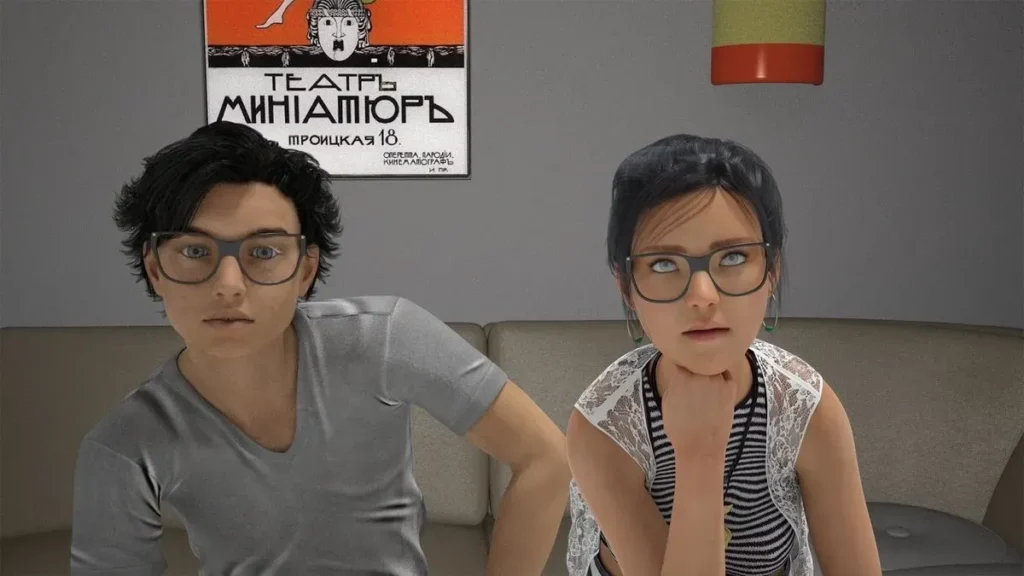
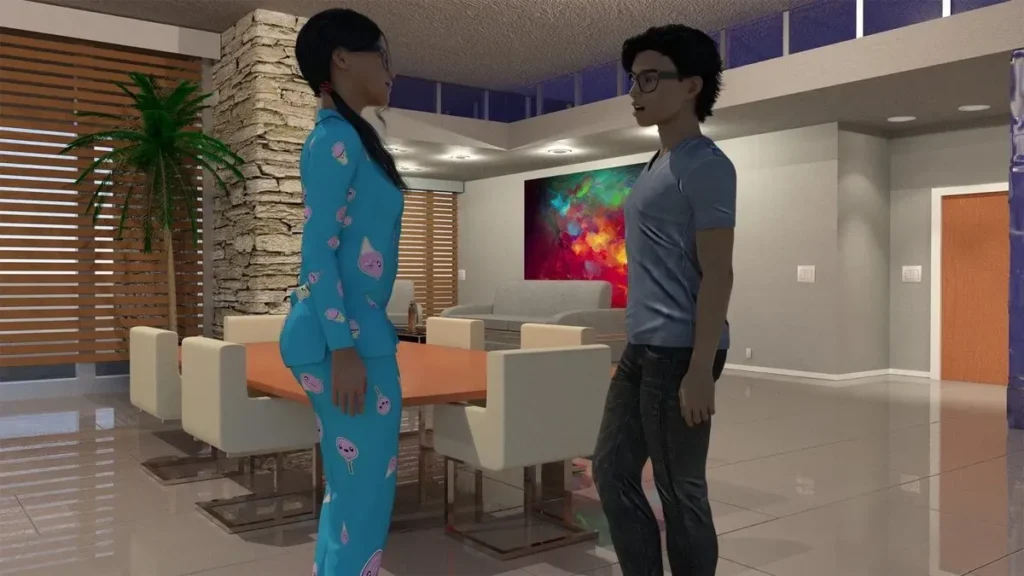





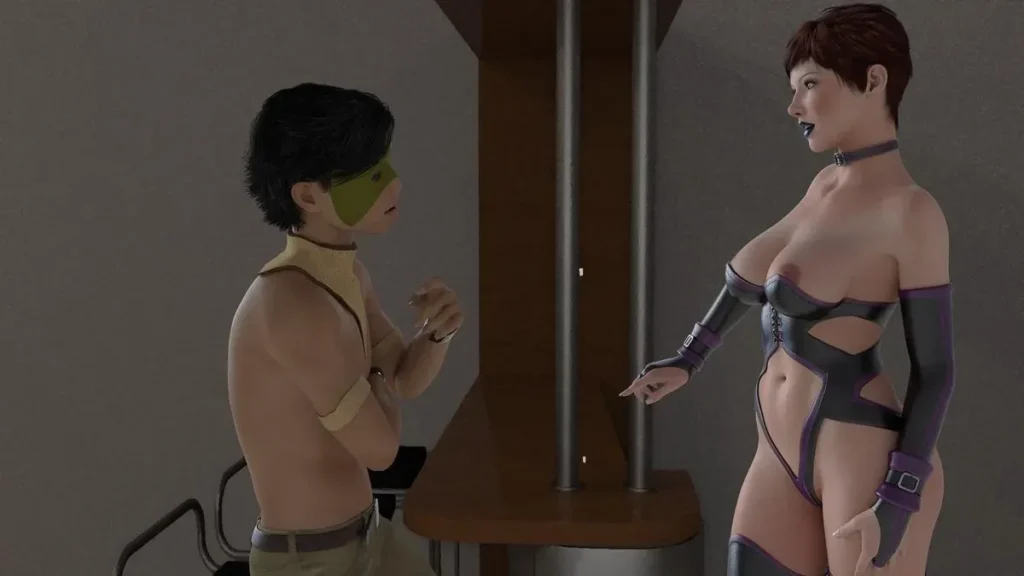
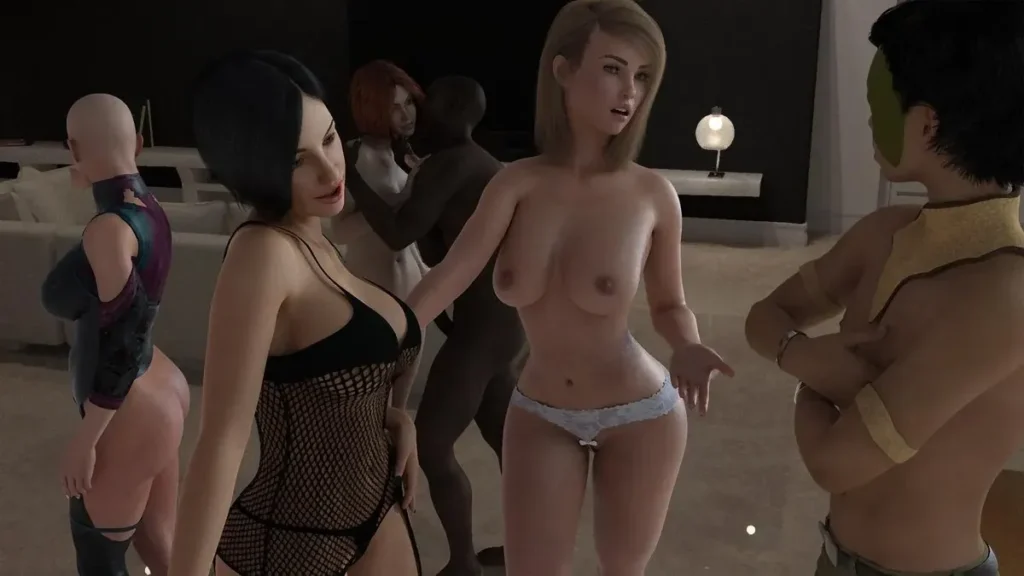



Tangled Up review
Master every choice, route, and ending in this narrative adventure
Tangled Up is a choice-driven narrative experience that unfolds over 24 days, offering players meaningful decisions that shape their journey through interconnected locations and character relationships. The game presents two distinct narrative paths—love and lust routes—each with unique consequences and story outcomes. Whether you’re looking to unlock all endings, understand the branching storyline, or navigate specific decision points, this guide provides the strategic information needed to experience everything the game has to offer. Understanding the game’s location system, character interactions, and choice mechanics is essential for maximizing your playthrough and discovering all available content variations.
Understanding the Game Structure & Location System
Ever felt completely lost in Tangled Up, wandering from room to room without a clue, only to reach Day 24 with an ending that feels totally rubbish? 😫 I’ve been there. On my first playthrough, I thought I was being a charming conversationalist, but the game clearly thought otherwise—let’s just say my character ended up very alone. The problem isn’t a lack of effort; it’s that Tangled Up has a deceptively intricate clockwork ticking beneath its surface. To truly master its story, you need to understand its core engine. This part of our Tangled Up walkthrough guide is all about cracking that code. We’re diving deep into the 24-day gameplay progression, mapping every crucial Tangled Up game location, and revealing how your earliest whispers shape the monumental Tangled Up story branches. Think of this as your blueprint to the game’s soul. 🗺️
How the 24-Day Timeline Works
At its heart, Tangled Up is a race against a silent clock. You have 24 in-game days—each representing a chunk of narrative time—to navigate a web of relationships and desires. This isn’t just a countdown; it’s the scaffolding upon which every interaction, every whispered secret, and every dramatic confrontation is built. The 24-day gameplay progression is your most precious and limited resource.
Here’s the kicker: you can’t do everything. 😮💨 Each day, you typically get a main choice or two that advances the core plot, and then you have the freedom to explore. This is where interactive narrative choices about where to go and who to talk to become critical. Visiting the pool for a casual chat in the early afternoon might reveal a lighthearted character detail, but visiting that same location late at night could trigger a tense, intimate confession that permanently alters your relationship score. Time of day is everything.
Pro Tip: The game often signals important turns. If the narrative feels like it’s building to a climax or a character is acting strangely, pay attention! Your next location choice could be the key to a breakthrough or a disastrous misunderstanding.
My biggest early mistake was treating days like a checklist. “Okay, talked to Character A, now move to B.” This rigid approach locked me out of so much content! The beauty (and frustration) of the 24-day gameplay progression is its cause-and-effect rhythm. A supportive conversation on Day 5 might make a character seek you out for comfort on Day 12. A choice to pry into someone’s past on Day 8 could make them cold and distant on Day 15. The game has a long memory, and your interactive narrative choices compound over time, silently steering you toward one of the major Tangled Up story branches.
Key Locations and Their Functions
Every room in this game is more than just a backdrop; it’s a stage for specific types of drama, intimacy, and discovery. Knowing what each Tangled Up game location offers—and when to visit—is the single most practical skill you can develop. It’s the difference between stumbling upon a scene and strategically unlocking it.
Let’s break down the major sets. The Pool is the social heart during the day, perfect for group dynamics and lighter chats, but it transforms at night into a place of private, often vulnerable, conversations. The Main Hall acts as the central hub and crossroads; you’ll overhear arguments, witness chance encounters, and often find characters here when you’re not sure where else to look. 🛋️
More private spaces hold greater narrative weight. The Sister’s Room is a treasure trove of personal history and secrets, but entering feels invasive—it’s a high-risk, high-reward location that can drastically shift a relationship. The Nook is for clandestine, whispered talks, often where the most direct flirtations or threatening ultimatums occur. Even the Toilet isn’t safe from drama, serving as an accidental (and often awkward) meeting spot for conversations characters didn’t plan to have!
To help you navigate, here’s a reference table for the core Tangled Up game locations:
| Location | Key Activities & Interactions | Optimal Visit Times / Notes | Primary Route Relevance |
|---|---|---|---|
| The Pool | Socializing, light flirtation, confrontations, private nighttime talks. | Day for group scenes, Night for intimate one-on-ones. A pivotal spot for relationship turning points. | Critical for both routes, but the tone of conversations shifts dramatically. |
| Main Hall | Overhearing conversations, casual chats, pivotal group decisions, finding lost items. | Morning & Afternoon. Acts as the main information hub and crossroad. | Equally important for narrative setup in all branches. |
| Various Bedrooms | Private conversations, accessing personal diaries/items, comforting or confronting characters. | Evening & Night. High risk/reward. Often requires prior trust to enter without consequence. | Love Route: For deep emotional connection. Lust Route: For charged, secretive encounters. |
| The Nook | Secret meetings, explicit propositions, exchanging illicit items, making hidden plans. | Exclusively Evening/Night. The game’s most “cinematic” choice location. | Extremely high relevance for the Lust Route; used sparingly in Love Route. |
| Parents’ Room | Discovering old secrets, understanding family dynamics, finding key plot items. | Limited access. Usually requires specific story triggers or items to enter meaningfully. | Unlocks backstory critical for understanding the core conflict in all routes. |
Mastering these spaces is a huge part of the Tangled Up walkthrough guide philosophy. It’s not just about going places; it’s about understanding the narrative purpose of each space. The character relationship mechanics are directly tied to your location choices. Choosing to console someone in the privacy of their room builds a different kind of bond than offering the same comfort in the open main hall. One feels like genuine care; the other can feel like a public performance.
Route Selection and Narrative Consequences
Now, let’s talk about the big fork in the road: the infamous love route vs lust route decision. This isn’t a single choice you make in a menu. 🚦 Instead, it’s a path you pave with dozens of small, seemingly innocuous decisions across the first third of the game. The game assesses your cumulative behavior—your words, your gestures, where you focus your attention—and by around Day 8 or 9, it quietly solidifies your trajectory. This is the ultimate expression of Tangled Up story branches.
So, what defines each path? The love route is built on patience, emotional intimacy, and often sacrifice. It’s about choosing conversations that explore a character’s fears and dreams over actions that provide immediate gratification. It prioritizes trust and consent, and scenes unfold with a slower, more emotionally resonant build-up. You’ll access deeply heartfelt moments and resolutions that focus on emotional healing.
The lust route, in contrast, is driven by obsession, physical desire, and possessiveness. Choices here are about seizing the moment, pushing boundaries, and indulging in secret liaisons. The scenes are more intense and overtly charged, but the underlying connection is often more volatile and fragile. It leads to endings filled with passion, but also potentially more danger and instability.
Personal Insight: I initially thought the love route vs lust route dichotomy was about being “nice” or “mean.” It’s far more nuanced. You can be kind on the lust route and abrasive on the love route. The difference is in your focus: are you seeking to connect with a person, or to possess them?
This central love route vs lust route divide radically alters your experience. Entire scenes and character interactions are exclusive to one path. A character who might open up to you with a tragic secret on the love route could instead share a dangerously exciting fantasy with you on the lust route. The character relationship mechanics function differently on each path—on the love route, trust is built slowly and can be shattered by a single major betrayal. On the lust route, attraction can spike quickly but is equally prone to sudden jealousy and dramatic reversals.
Understanding this is crucial for any Tangled Up walkthrough guide. If you’re aiming for a specific ending, you must commit to the corresponding love route vs lust route mindset from the very beginning. Mixing your signals—being emotionally vulnerable one day and aggressively forward the next—is the surest way to end up on a confusing, unsatisfying branch or even a premature “bad” ending. The game’s character relationship mechanics are always tracking your consistency.
Your journey through the 24-day gameplay progression is a delicate dance between time, place, and intent. By mapping the Tangled Up game locations to your strategic goals and making early, consistent interactive narrative choices, you take control of the Tangled Up story branches. This foundational knowledge turns a confusing web of possibilities into a manageable, thrilling narrative that you can shape. Now that you understand the clock and the map, you’re ready to dive into the specific strategies for mastering each character and ending. 🎭
Tangled Up delivers a rich interactive experience where player choices genuinely matter, creating distinct narratives across multiple playthroughs. By understanding the game’s location system, timeline mechanics, and dual-route structure, you can strategically navigate all 24 days to unlock every scene, ending, and content variation. The game rewards experimentation—trying different dialogue options, visiting locations at specific times, and following alternate routes reveals new character dynamics and story elements. Whether you’re pursuing the love route for deeper emotional connections or exploring the lust route for different narrative developments, each playthrough offers fresh perspectives on character relationships and story outcomes. Use this guide to maximize your experience, discover hidden scenes, and fully appreciate the branching narrative design that makes Tangled Up a compelling choice-driven adventure.