Long Live the Princess
Play Long Live the Princess
Long Live the Princess Screenshots






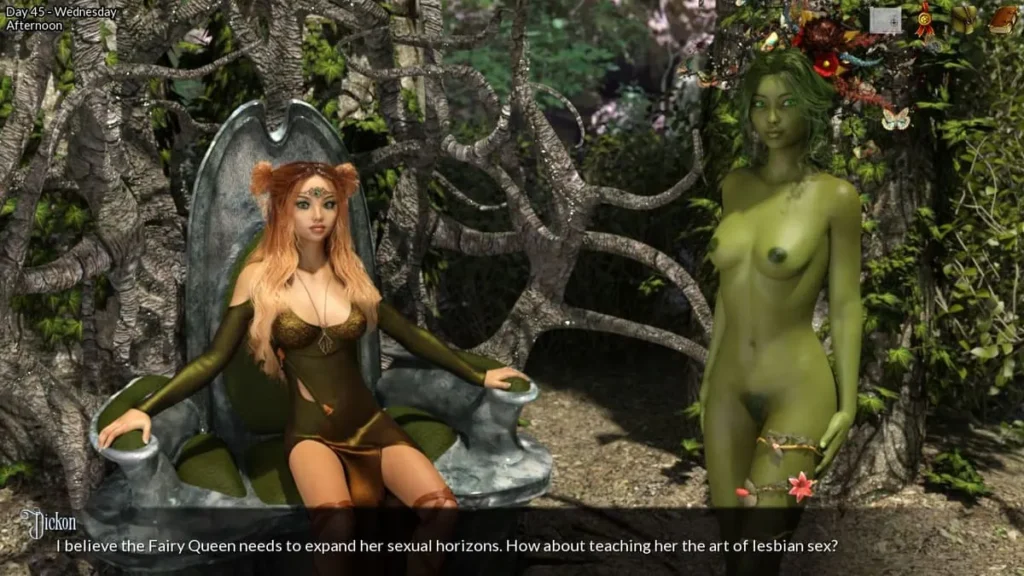
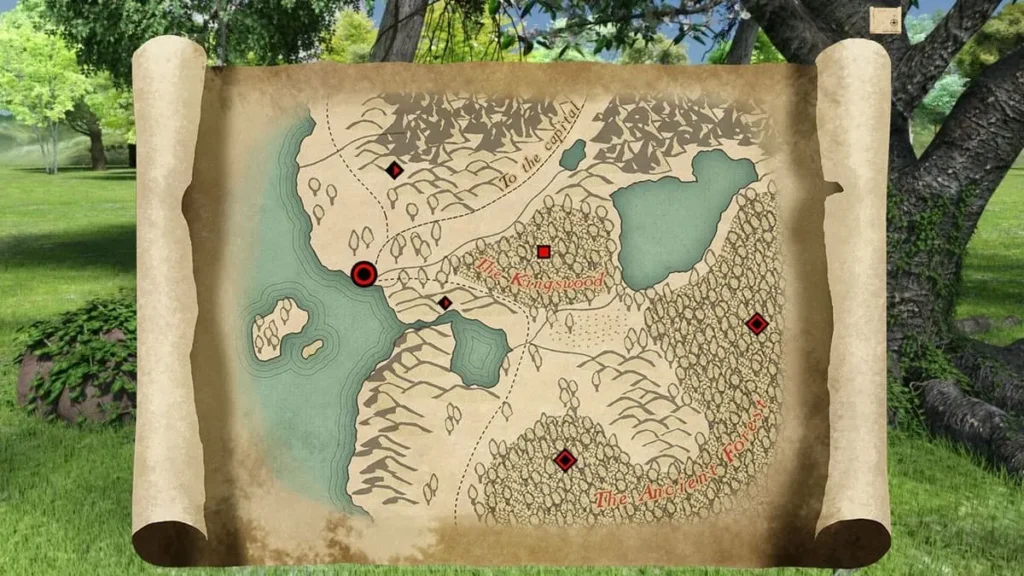
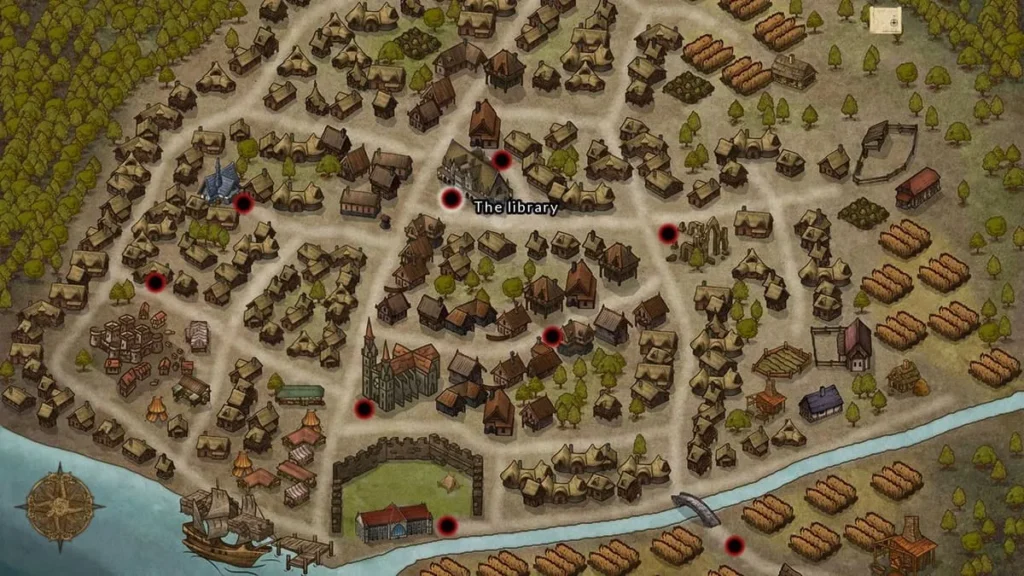
Long Live the Princess review
Master gameplay mechanics, character relationships, and story paths in this fantasy visual novel
Long Live the Princess is a narrative-driven fantasy visual novel that combines elements of detective games like Ace Attorney with relationship-building mechanics similar to Persona. You play as a Truthsayer—someone with the rare ability to detect lies—tasked with protecting Princess Selena during her coronation while uncovering the secrets of the women in your hometown. The game features a limited number of in-game days, meaningful choices, multiple endings, and a New Game Plus system that rewards replay value. This comprehensive guide covers everything you need to know about gameplay mechanics, character relationships, stat progression, and story paths to help you navigate this complex and engaging experience.
Understanding Core Gameplay Mechanics and Systems
So, you’ve arrived in Bellanor, tasked with a seemingly impossible mission, and you’re staring at the calendar wondering how on earth you’re supposed to get everything done. 🤔 I remember my first playthrough vividly. I was so overwhelmed by the charming characters and looming deadline that I just started clicking on everything, only to face a rather abrupt and unfortunate ending. Let’s just say the Princess did not live long. 😅 The genius—and challenge—of Long Live the Princess gameplay mechanics is that every single decision carries weight. This isn’t a game of filler tasks; it’s a meticulously crafted clockwork puzzle where your time, your choices, and your growing skills are the only tools you have.
Mastering this system is the difference between uncovering a glorious truth and meeting a grisly end. This guide will break down the core systems, from managing your daily life to wielding supernatural abilities, so you can navigate Bellanor’s secrets with confidence. 🗺️✨
How the Day-Based Action System Works
At the heart of Long Live the Princess is its brilliant day-based action system visual novel structure. Think of each day as a precious resource. From the moment you start, a clock is ticking down to the Princess’s arrival, and you have a limited number of these days to prepare. Each day, you are given three actions. That’s it. Just three. 🕒
This limitation is what makes the game so compelling and replayable. You cannot do it all in one run. Will you spend an action working a shift at the tavern to earn much-needed coins? Will you practice your budding mystical abilities in the forest? Or will you chat up the local blacksmith to learn more about the strange happenings in town? Every action is an opportunity cost. This design ensures there is no filler content; every choice directly shapes your capabilities and the story’s trajectory.
The non-linear nature means there’s no prescribed path. On Day One, you could go straight to the mysterious manor on the hill or spend the week getting to know the townsfolk. Both approaches are valid and lead to different discoveries and endings. This system respects your intelligence and demands strategic thinking.
Here is a practical strategy for allocating those crucial daily actions:
🎯 Pro Tip: Your primary goal is to be ready for the Princess. Everything you do should build towards the skills, information, and relationships needed for that final confrontation. Don’t get distracted by side stories unless they serve this goal!
- Early Game (Foundation): Focus on a mix. Use one action to earn money (you’ll need it for items, bribes, or gifts), one to improve a key ability (like Perception or your mystical skills), and one to build a relationship or investigate. This builds a versatile base.
- Mid Game (Specialization): Once you know which character secrets you’re pursuing or which stat thresholds you need, double down. You might spend two actions in a day building Courage to access a dangerous area, or two actions tailing a specific person to learn their schedule.
- Late Game (Execution): This is where you act on your intelligence. Your actions will be spent confronting people with the truths you’ve uncovered, using your honed abilities at key moments, and making the final choices that lock in your ending.
Remember, time is always moving forward. If you learn a character visits the market every Windsday, but you spend that day doing something else, you’ve missed your window. This creates a dynamic, living world where your planning is constantly tested.
Character Secrets and Spell Mechanics
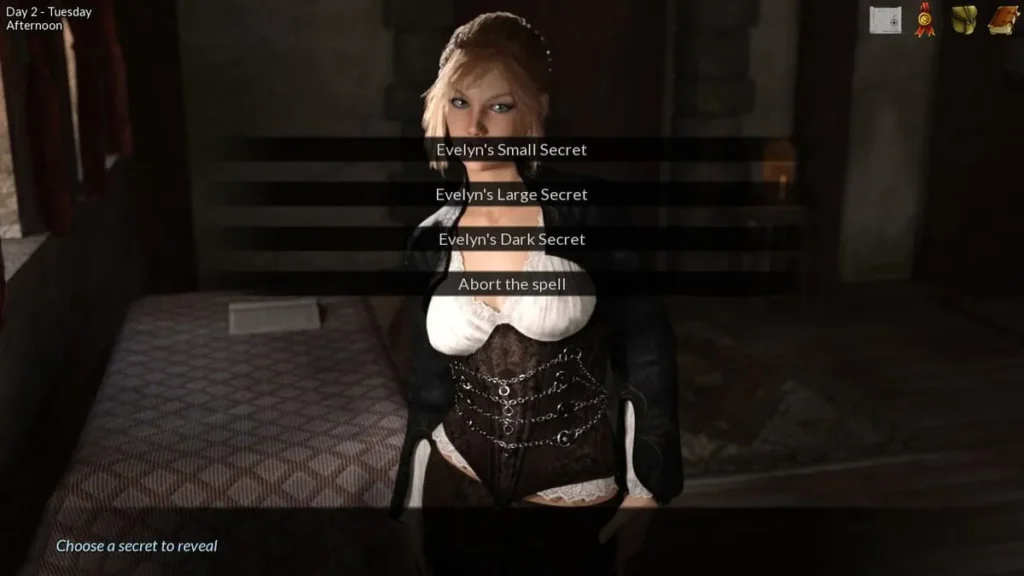
If the action system is the game’s brain, then the character secrets uncovering guide is its beating heart. 🫀 Nearly every character in Bellanor is hiding something—a lie, a hidden desire, a dark fear, or a shocking truth. Your job as a nascent detective and mystic is to uncover these secrets.
This isn’t just about clicking through dialogue trees. It’s a structured process of investigation:
- Observation & Interaction: Talk to people. Visit locations at different times of day. Listen to gossip. You’ll start to notice inconsistencies in their stories or hints about their routines.
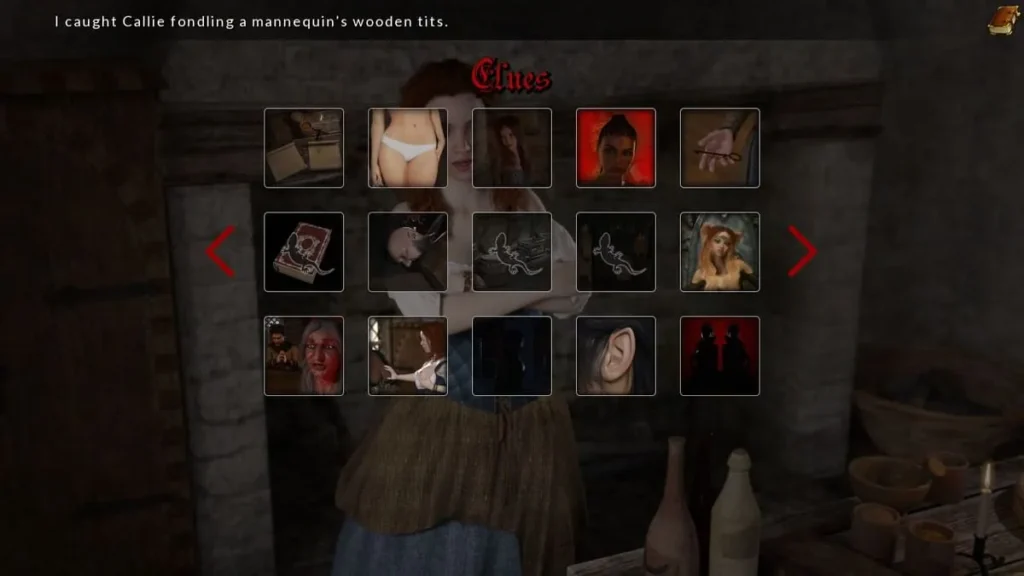
- Gathering Evidence: Through conversation, exploration, and sometimes using your growing abilities, you will learn specific Secrets. These are literal phrases or facts stored in your journal, like “The Mayor is afraid of wolves” or “The Blacksmith visits the cemetery at night.”
- The Confrontation: This is the crucial part. Once you have a Secret, you must confront the character with it at the right time and place. You can’t just blurt it out in the town square. You need to find them in a vulnerable or appropriate moment, often requiring specific stat checks (like enough Courage to be assertive) or prior relationship building.
Now, let’s talk magic. 🪄 Your mystical abilities are your primary tool for this investigation. Practicing your spells (which costs daily actions) makes them more powerful and effective. A stronger “Reveal Desire” spell might show you a clearer vision. A potent “Sense Fear” ability might work from a greater distance.
The most important synergy in the game is between your discovered Secrets and your spells. Confronting a character with a relevant Secret dramatically increases the power and success chance of your spells on them. For example, knowing someone’s secret fear before casting a fear-based spell on them is far more effective than casting it blindly. This makes investigation and magic a powerful, intertwined loop: investigate to learn secrets, use secrets to empower magic, use magic to learn deeper secrets.
Stats, Abilities, and Progression Systems
Your character in Bellanor isn’t just a pair of eyes; they are a set of evolving capabilities that open or close paths through the story. Your stat progression in Agility, Courage, and Charisma (along with a certain other trait) forms the backbone of your personal build. 📈
These aren’t numbers you mindlessly increase. They are gates. A conversation option requiring boldness will be locked behind a Courage threshold. Slipping past a guard unseen might require Agility. Persuading someone to trust you with sensitive information will demand Charisma. You improve these stats by performing related actions during your day. Standing up to a bully might boost Courage, while working a serving job might boost Charisma through interaction.
Then there’s the Pervertedness trait. It’s a unique, often humorous stat that reflects your character’s… worldly interests. While it can lead to some cheeky dialogue options and scenes, it’s also a genuine stat that gates certain interactions and information. Raising it (through specific book choices or actions) can open paths just as meaningfully as raising Courage.
To clarify, here’s how these core traits function:
| Trait | What It Affects | Common Gated Interactions |
|---|---|---|
| Agility | Stealth, manual dexterity, avoiding danger, physical tasks. | Sneaking into restricted areas, picking locks, winning certain games, escaping physical threats. |
| Courage | Boldness, resistance to fear, assertiveness in social situations. | Confronting intimidating characters, exploring dangerous locations, making bold accusations, standing your ground. |
| Charisma | Persuasiveness, charm, social grace, ability to influence others. | Getting better deals, persuading characters to help you, smoothing over conflicts, gaining trust quickly. |
| Pervertedness | Interest in risqué topics, comfort with adult situations, openness to certain relationships. | Accessing specific dialogue about desires, understanding certain character motivations, participating in or initiating intimate scenes. |
Now, onto the game’s superstar ability: the Truthsayer ability mechanics. 👁️ This is your supernatural gift for detecting lies. It’s not a simple “lie detector” button. When activated during dialogue (which costs a resource), it allows you to see the truth behind a character’s words. The visual and narrative presentation of this is fantastic—it might show you a fleeting memory, a hidden emotion, or a contradictory fact.
Managing this resource is key. You can’t use it on every line of dialogue. You must be strategic: save it for moments when a character’s honesty is critical to your investigation or when you suspect a pivotal deception. The information gleaned from a well-timed Truthsayer use can become the very Secret you need to confront them with later. It truly is the foundational mechanic that makes the detective gameplay so engaging.
Finally, let’s discuss the glorious New Game Plus system features. 🎮 Once you complete a playthrough (no matter the ending), you have the option to start a new game while retaining certain progress from your previous file. Typically, this includes your improved spell mastery levels. This is a game-changer!
It means subsequent playthroughs are not mere repeats. You can start with stronger versions of your mystical abilities, allowing you to uncover secrets faster, access information earlier, and pursue paths that were too difficult before. It encourages experimentation and allows you to see how different meaningful choices you make can branch the story in wildly new directions without having to rebuild your magical prowess from scratch.
And those meaningful choices are what lead to the game’s celebrated multiple endings. Your journey through Bellanor isn’t about reaching a single finale. It’s about the sum total of your actions: who you trusted, who you exposed, what truths you prioritized, and what morals you upheld (or abandoned). 🏰 You can achieve endings that are heroic and uplifting, bittersweet and complex, or downright catastrophic. The “Good” ending requires diligence, intelligence, and often compassion. The “Neutral” endings might see you solving the mystery but with personal cost or compromise. The “Bad” endings… well, they serve as a stark reminder that in a world of secrets, failure has consequences.
This intricate web of Long Live the Princess gameplay mechanics—the tense daily planning, the rewarding investigative loop, the stat-gated progression, and the powerful NG+ carryover—combines to create a visual novel where you are not just a passenger in the story. You are the architect of your own detective saga, and every single action builds the foundation for your final, fateful report on the Princess’s life.
Long Live the Princess stands out as a sophisticated visual novel that rewards careful planning, strategic decision-making, and multiple playthroughs. By understanding the day-based action system, mastering stat progression, and learning how to uncover character secrets at the right moments, you can unlock the full depth of what the game offers. Whether you’re pursuing specific romance paths, aiming for the good ending, or exploring all the game’s secrets, the New Game Plus system ensures that each playthrough feels fresh and rewarding. Take your time to experiment with different choices, balance your daily actions wisely, and don’t hesitate to replay the game to discover alternative story paths and endings you might have missed.