Grandma’s House
Play Grandma’s House
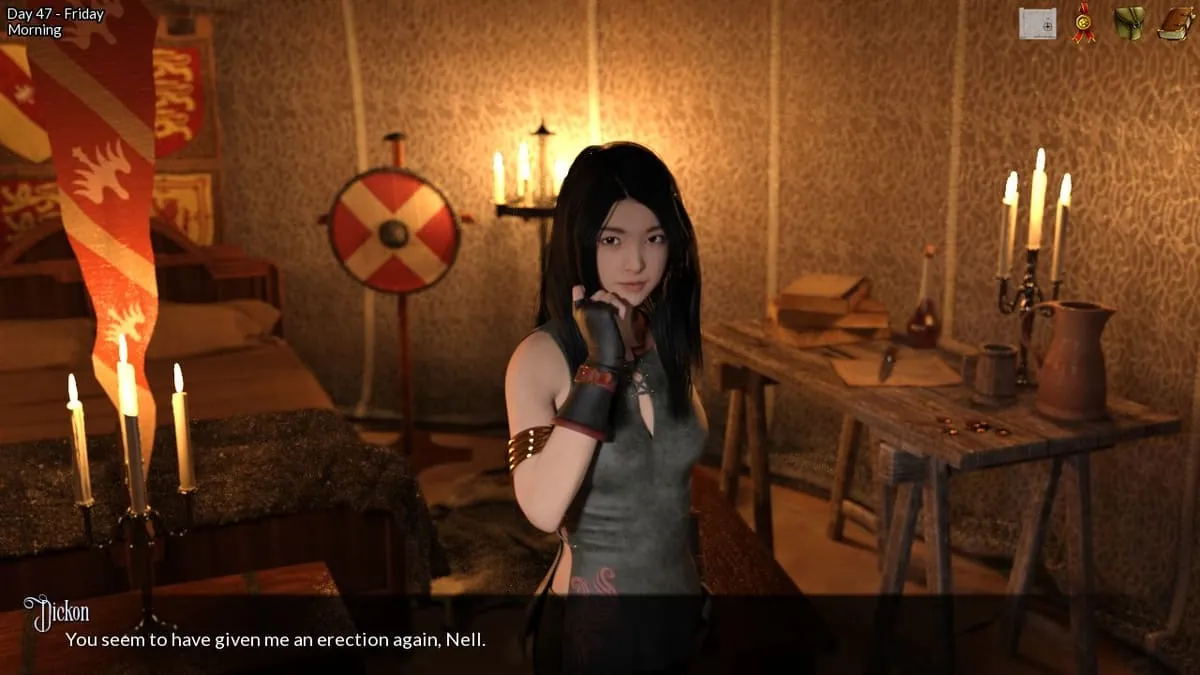
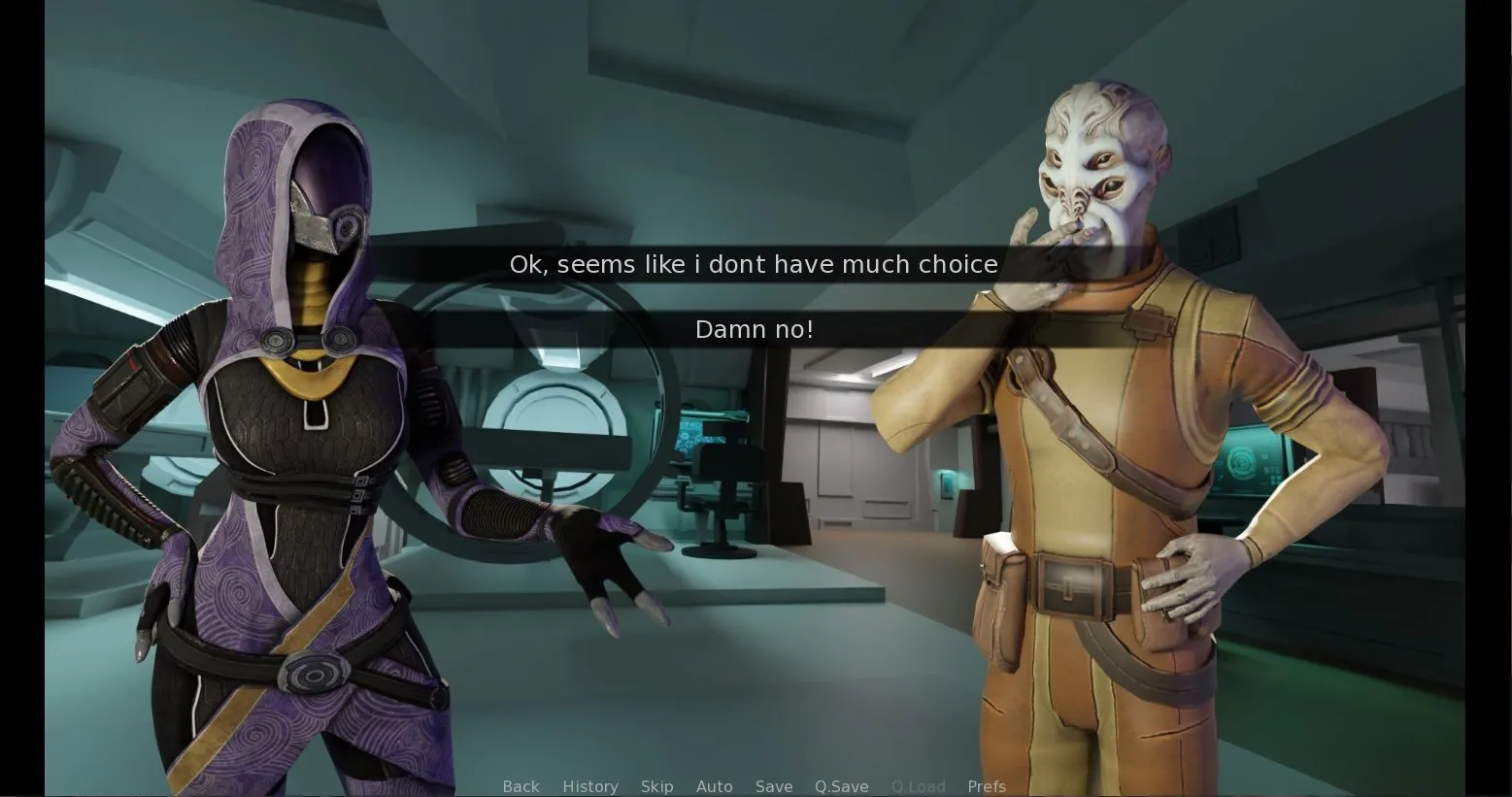
Grandma’s House Screenshots







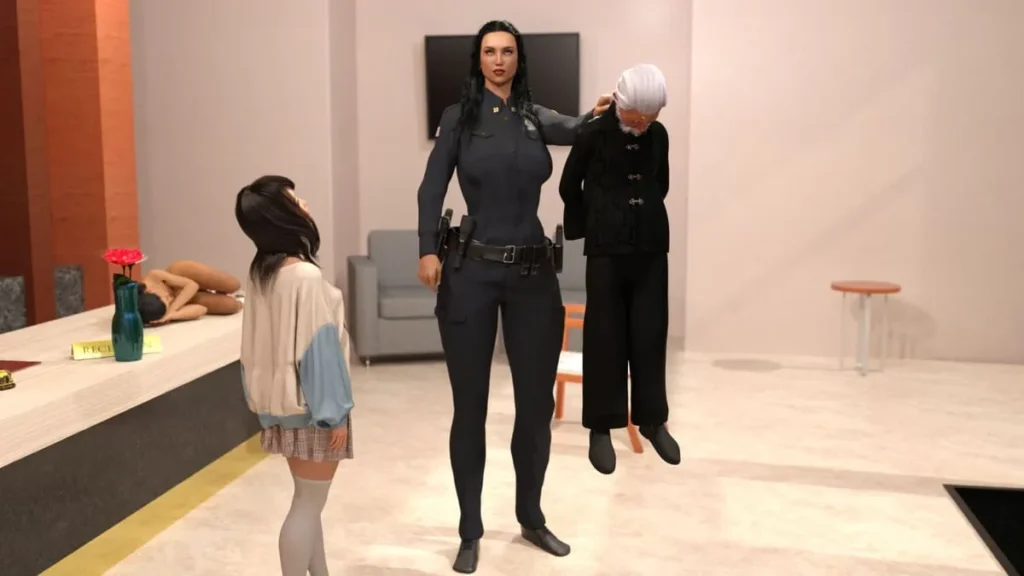

















Grandma’s House review
Explore gameplay mechanics, character development, and storyline progression in this narrative-driven experience
Grandma’s House stands out as a narrative-driven adult game developed by MoonBoxGames that prioritizes character development and relationship building over rushed content. Unlike many titles in its genre, this game takes a deliberate approach to storytelling, allowing relationships to develop naturally over time. Players navigate complex family dynamics, make meaningful choices that impact the narrative, and experience branching storylines that reflect their decisions. Whether you’re interested in understanding the game’s unique approach to character progression, exploring its various storylines, or learning about the development philosophy behind it, this comprehensive guide covers everything you need to know about this distinctive gaming experience.
Understanding Grandma’s House: Game Overview and Core Mechanics
Ever clicked on an adult game, ready for a bit of fun, only to be met with a cardboard cutout of a “story” that serves solely as a flimsy doorway to the next animated scene? 📚 You’re not alone. For years, the genre has been plagued by a “fast-food” approach: shallow characters, zero consequences, and narratives that treat emotional connection as an annoying obstacle rather than the entire point.
If you’re fed up with that formula, then Grandma’s House game is about to become your new favorite escape. 🏡 Developed with remarkable patience and care by MoonBoxGames development, this title isn’t just another entry in your library; it’s a paradigm shift. This is a 3D adult game that dares to ask: what if the journey was just as compelling as the destination?
What Makes Grandma’s House Different From Other Adult Games
Let’s cut to the chase. Most games in this space operate on a simple transaction: click a few times, get a reward. Relationships are instant, characters have the depth of a puddle, and your choices are meaningless. Playing them can feel… empty.
Grandma’s House throws that playbook out the window. Its core philosophy is one of slow-burn storyline game design. Think of it less as a game and more as an interactive, character-driven novel where you happen to live in a beautifully rendered 3D world. The team at MoonBoxGames didn’t set out to create a quick thrill; they built a living, breathing environment where relationships are earned, not unlocked.
The magic of Grandma’s House isn’t in rushing to an endpoint; it’s found in the quiet conversations over morning coffee, the shared inside jokes, and the genuine trust that builds day by day. This is a game that respects your intelligence and your capacity for emotional investment.
I remember starting my first playthrough, conditioned by other titles to expect rapid progression. I tried the typical “gamer” approach of clicking every favorable dialogue option with a single character. The game gently but firmly pushed back. Characters like Aunt Karen, with her guarded and complex history, weren’t having it. She saw through the artificial charm, and the narrative reflected that. It was a revelatory moment. This choice-based narrative actually listened. It wasn’t just branching paths; it was cultivating a garden, where you had to tend to each relationship with unique care. This focus on authentic character relationship progression is what truly sets it apart.
Gameplay Mechanics and Choice-Based Narrative System
So, how does this all work in practice? At its heart, Grandma’s House utilizes a kinetic novel-style framework with a crucial interactive layer. You won’t find complex mini-games or skill trees here. Instead, the primary adult game mechanics are observation, conversation, and decision-making.
You navigate the charming, detailed house and its grounds in 3D, interacting with objects and, most importantly, people. Each day presents new opportunities for conversation. The dialogue system is where the game truly shines. Every choice you make—from a supportive comment to a flirtatious tease, or even choosing to spend time with one person over another—feeds into an invisible ledger of character perception and story flags.
Here’s what makes its choice-based narrative system so special:
* Consequences, Not Just Illusion: Your decisions directly influence how characters view you and what storylines become available. Offend someone? That path might close for a while, requiring genuine effort to mend. Show consistent kindness? You’ll unlock deeper, more vulnerable conversations.
* Pacing is Key: The game actively manages the pace of each relationship. You cannot force a connection to move faster than its natural narrative arc allows. This enforces the slow-burn storyline game experience, making every milestone feel earned and significant.
* Atmospheric Storytelling: Much of the story is told through environmental details and casual chats. Learning about a character’s past through a photo on the mantelpiece or their opinion on a book they’re reading creates a rich, immersive world.
* Respect for Character Timelines: This is perhaps the most revolutionary mechanic. The game has an internal sense of time for each character’s emotional readiness. MoonBoxGames development has explicitly designed arcs that respect real human pacing, avoiding the jarring, unnatural leaps common in the genre.
This isn’t a game you “win” by collecting scenes; it’s a story you experience and shape through mindful participation. The 3D adult game environment from MoonBoxGames becomes the stage, but your choices and the characters’ reactions are the captivating performance.
Character Roster and Relationship Dynamics
The soul of Grandma’s House resides in its beautifully crafted cast. This isn’t a roster of stereotypes; it’s an ensemble of complex women, each with her own history, personality, insecurities, and desires. Your role as the protagonist is to reintegrate into this family (and extended circle) after being away, navigating these renewed and new connections.
The depth of character relationship progression is staggering. Each character has a unique arc that unfolds at its own natural speed, heavily influenced by your actions. Let’s break down the dynamic cast you’ll be getting to know.
| Character | Relationship & Vibe | Progression Speed | Key Story Elements |
|---|---|---|---|
| Allie (Nana) | Your warm, sometimes mischievous grandmother. The heart of the home. | Steady & Constant | Rebuilding family bonds, uncovering gentle family history, supportive confidante. |
| Polly | The cheerful, friendly girl-next-door type with hidden layers. | Medium-Fast | Classic romantic build-up, shared interests, and light-hearted companionship. |
| Veena | Intellectual, reserved, and deeply thoughtful. A slow and cautious connector. | Very Slow-Burn | Building intellectual and emotional trust, sharing passions for knowledge and art. |
| Sandra | Confident, successful, and possesses a dominant, take-charge personality. | Medium (with conditions) | Power dynamics, mutual respect challenges, and a relationship built on earned admiration. |
| Karen | Your aunt. Guarded, complex, and carries the weight of past family tensions. | Slow & Deliberate | Mending broken fences, navigating past regrets, and unlocking vulnerability beneath a tough exterior. |
| Zelda | The enigmatic, free-spirited artist who lives by her own rules. | Variable & Unpredictable | Spontaneity, artistic inspiration, and a connection that defies conventional pacing. |
| Fiona | A newer, more mysterious addition with an air of intrigue around her. | Mystery-Based | Unraveling secrets, cryptic conversations, and a path defined by curiosity and discovery. |
Navigating this web of relationships is the core joy of the Grandma’s House game. You’ll quickly learn that a approach that works for the open and sunny Polly will likely backfire with the skeptical and wounded Karen. 👵 The game’s genius is in how these arcs interweave. Spending all your time with one character might cause another to feel neglected, leading to new, sometimes tense, story branches. Alternatively, helping two characters resolve their own issues with each other can unlock unique group dynamics and special scenes.
This focus on character relationship progression means every playthrough can be vastly different. My first time through, I bonded deeply with Veena, enjoying the quiet, gradual build of our connection. On a second run, I focused on Sandra, leading to a completely different power dynamic and story flavor. The choice-based narrative ensures your experience is uniquely yours.
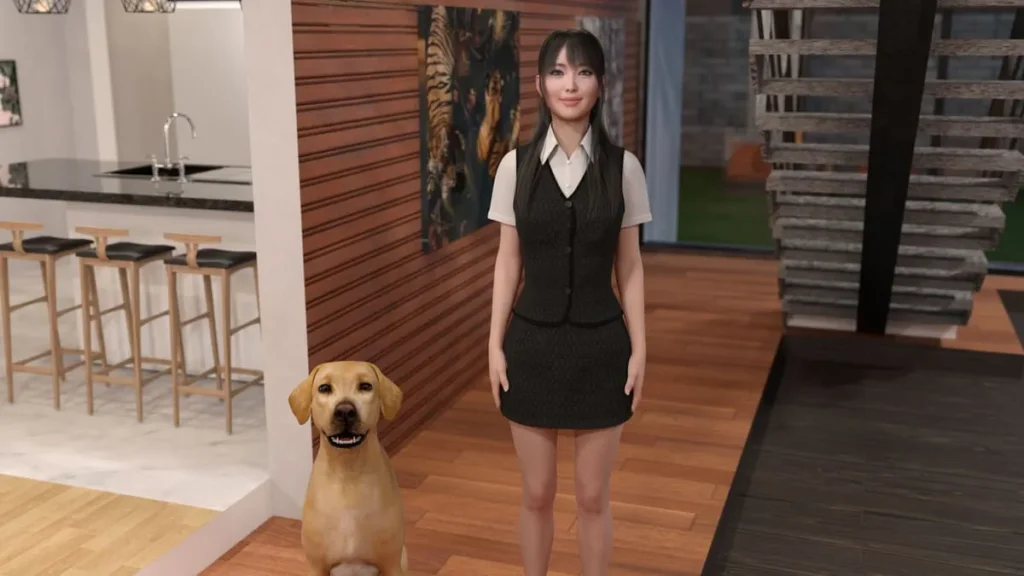
Available on Android, the game’s 3D adult game visuals are surprisingly polished for the platform, with expressive character models and smooth animations that bring each interaction to life. The ongoing updates from MoonBoxGames development consistently expand these stories, adding depth, new scenarios, and ensuring that the world of Grandma’s House continues to grow and feel alive.
In the end, Grandma’s House is more than a game; it’s a testament to the power of patience in storytelling. It proves that the most satisfying connections—in games as in life—are those that are built, not bought. It invites you to slow down, listen, and truly invest in the people around you. And in doing so, it delivers an experience that is infinitely more memorable and rewarding than any quick fix could ever be.
Grandma’s House represents a thoughtful approach to adult gaming that prioritizes storytelling and character authenticity over immediate gratification. By emphasizing natural relationship development, meaningful player choices, and respect for character arcs, the game creates a more immersive and emotionally engaging experience. Whether you’re drawn to the complex family dynamics, the branching narrative paths, or the unique development philosophy, understanding the game’s mechanics and character progression systems enhances your gameplay experience. As MoonBoxGames continues to develop new content and expand storylines, players can look forward to deeper character interactions and more intricate narrative branches that reward patience and thoughtful decision-making.