Ecchi Sensei
Play Ecchi Sensei
Ecchi Sensei Screenshots










Ecchi Sensei review
Explore the story-driven visual novel experience with character progression and branching narratives
Ecchi Sensei is a story-driven visual novel that combines slice-of-life gameplay with character-driven narratives. The game follows a teacher who relocates to a small town for a new job, navigating family responsibilities, school dynamics, and character relationships. With over 50 characters planned and 13 main characters currently available, Ecchi Sensei emphasizes dialogue, character progression, and player choice. Each decision impacts the story’s direction, creating unique branching paths and multiple romance routes. The game focuses on interactive storytelling where your choices shape character relationships and determine different endings based on who you choose to pursue.
Understanding Ecchi Sensei: Game Overview and Core Mechanics
Ever found yourself scrolling through countless games, longing for something that feels less like a chore and more like getting lost in a great book? 🕯️ That was me before I discovered Ecchi Sensei. I remember firing it up after a long day, expecting just another casual experience, but what I got was a captivating story that had me genuinely invested in the lives of its characters. This isn’t just a game you play; it’s a world you step into, where every conversation matters and every choice echoes. At its heart, Ecchi Sensei is a masterclass in interactive storytelling, proving that the most powerful mechanics are often the simplest.
What Makes Ecchi Sensei a Unique Visual Novel Experience
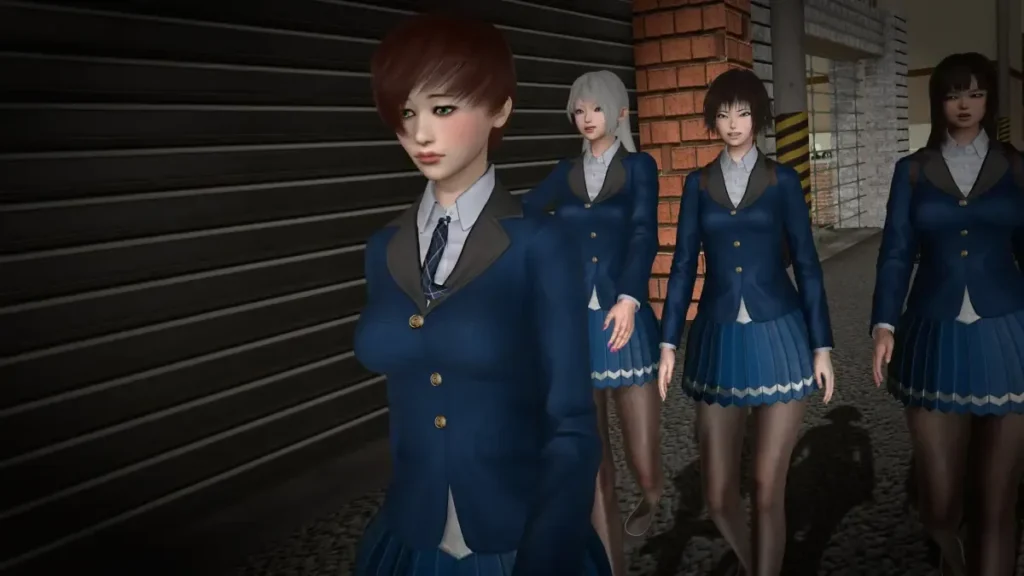
So, what exactly is this game? If you’re new to the genre, don’t worry. An Ecchi Sensei visual novel experience is one of the most accessible yet deep forms of digital storytelling. Forget complex control schemes or punishing difficulty curves. Here, the primary “gameplay” is reading, observing, and deciding. You take on the role of a teacher who has just moved to a quiet, small town to start a fresh chapter at a local school. The twist? The student body is entirely female, setting the stage for a nuanced web of professional and personal relationships. This premise is the springboard for a truly character-driven narrative, where getting to know the large cast is the main event.
The magic of this dialogue-focused adventure game lies in its commitment to the narrative craft. You won’t be managing intricate stats or battling enemies in the traditional sense. Your battlefield is conversation, and your weapons are empathy, attention, and choice. The game begins deceptively simply on Day 1, introducing you to the school, your colleagues, and a handful of students through a linear sequence. But this calm introduction is like the first gentle chapter of a novel that soon reveals its complex, branching plotlines. The Ecchi Sensei gameplay mechanics are elegantly woven into this fabric: click to advance text, admire the expressive static character artwork (which does a phenomenal job of conveying emotion), and, most crucially, make choices when prompts appear.
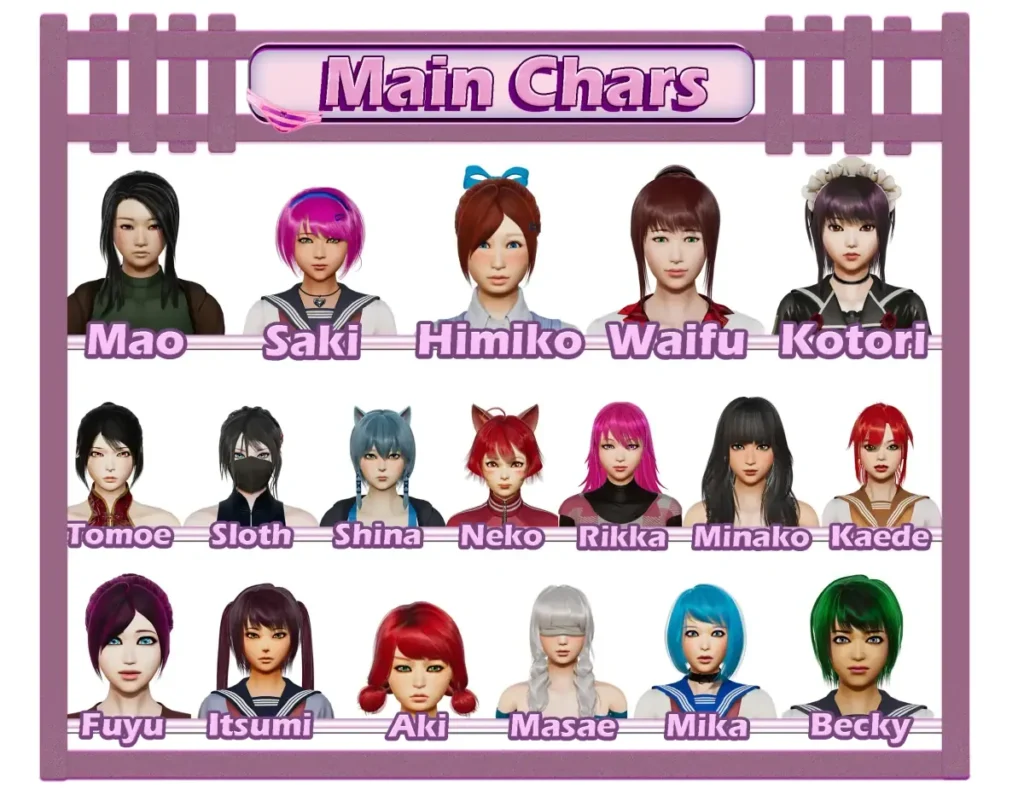
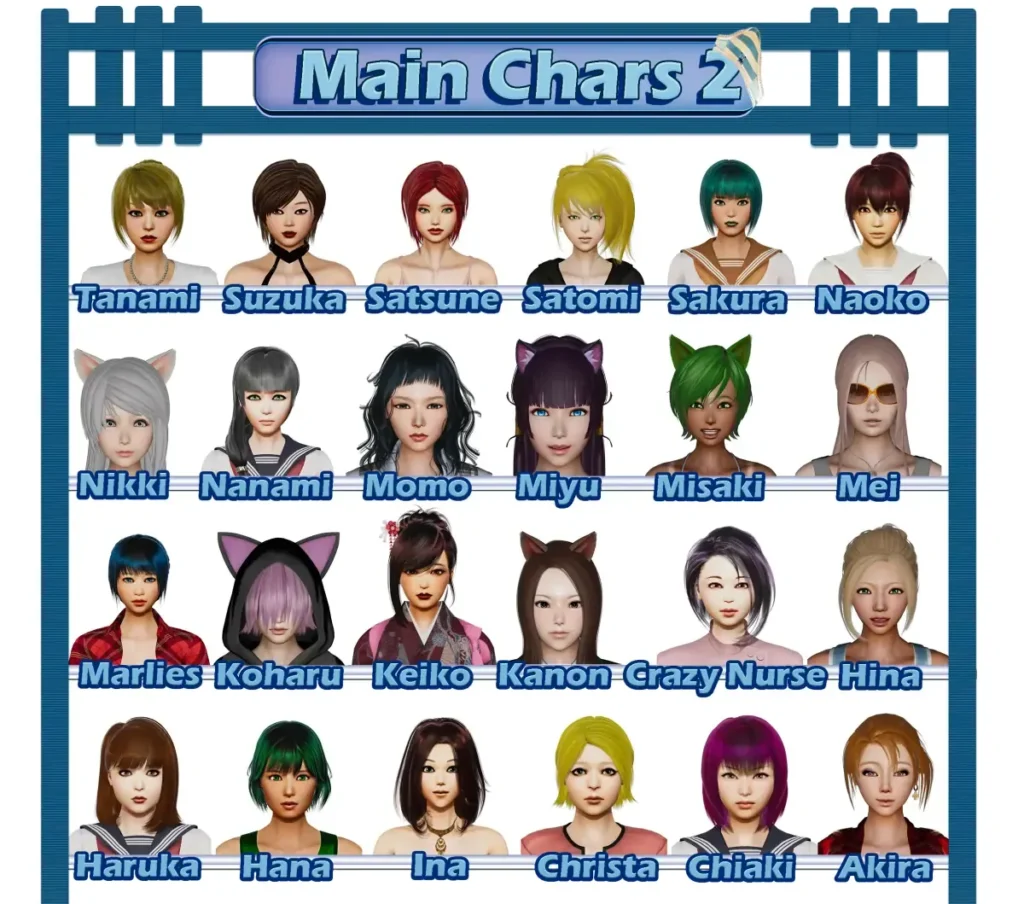
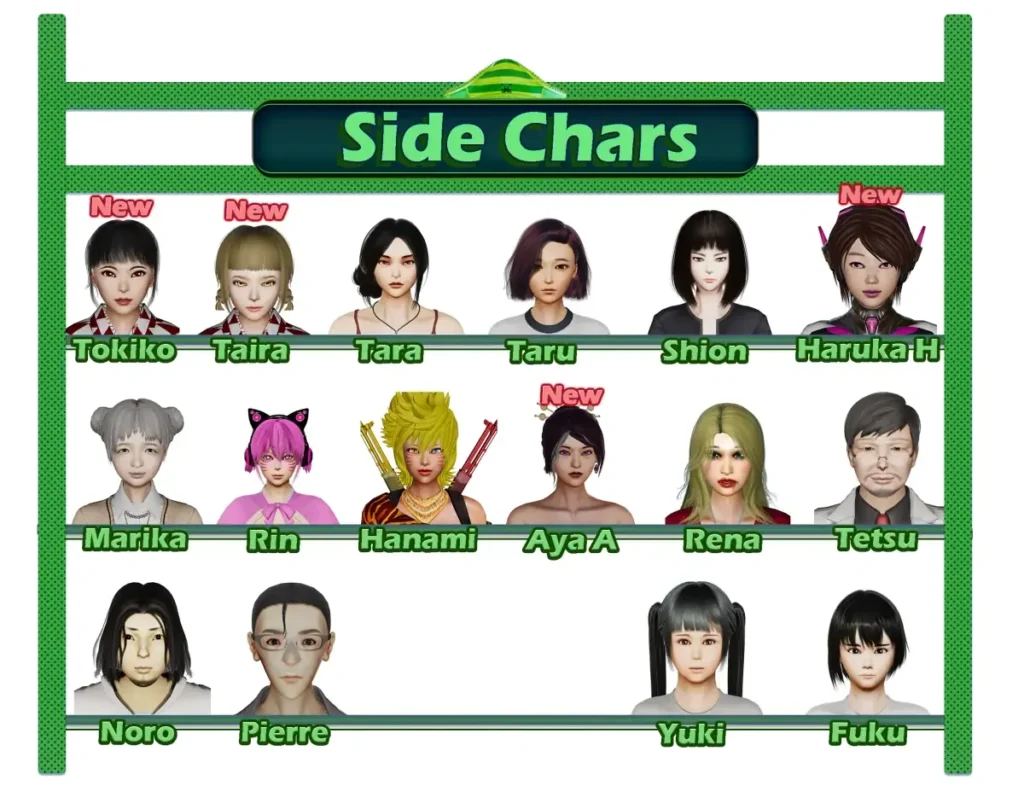
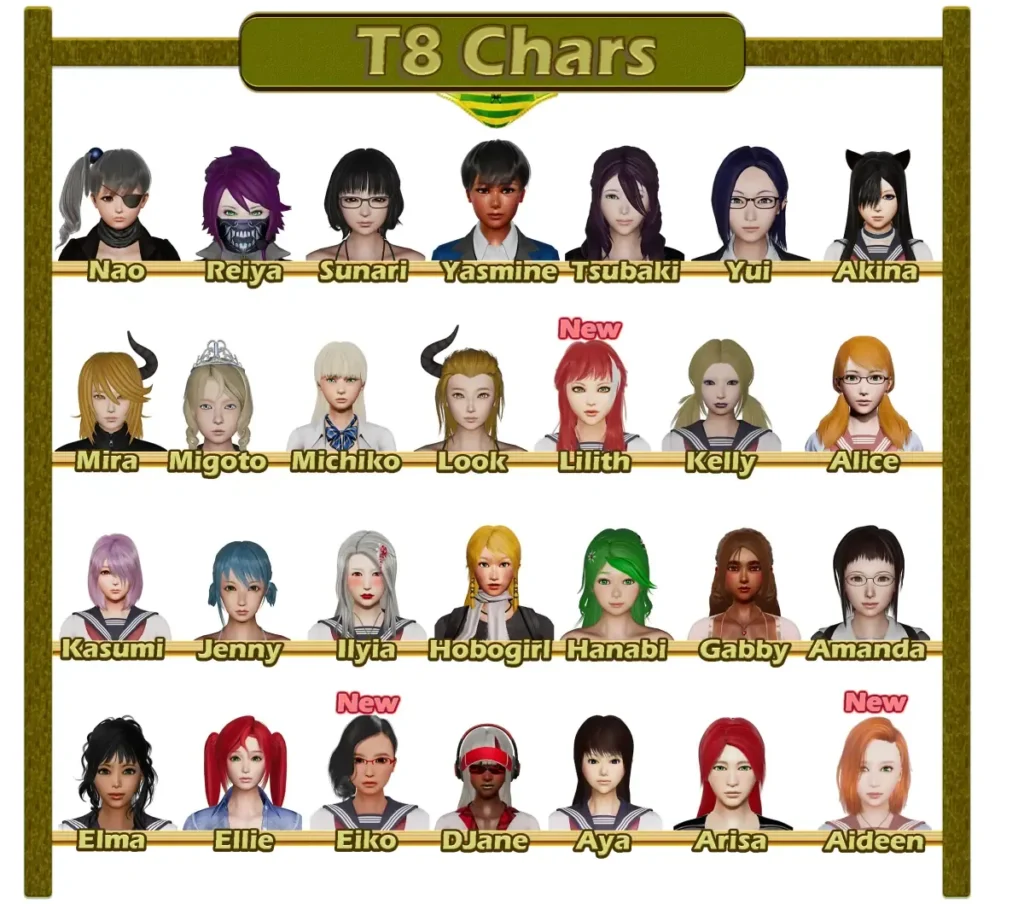
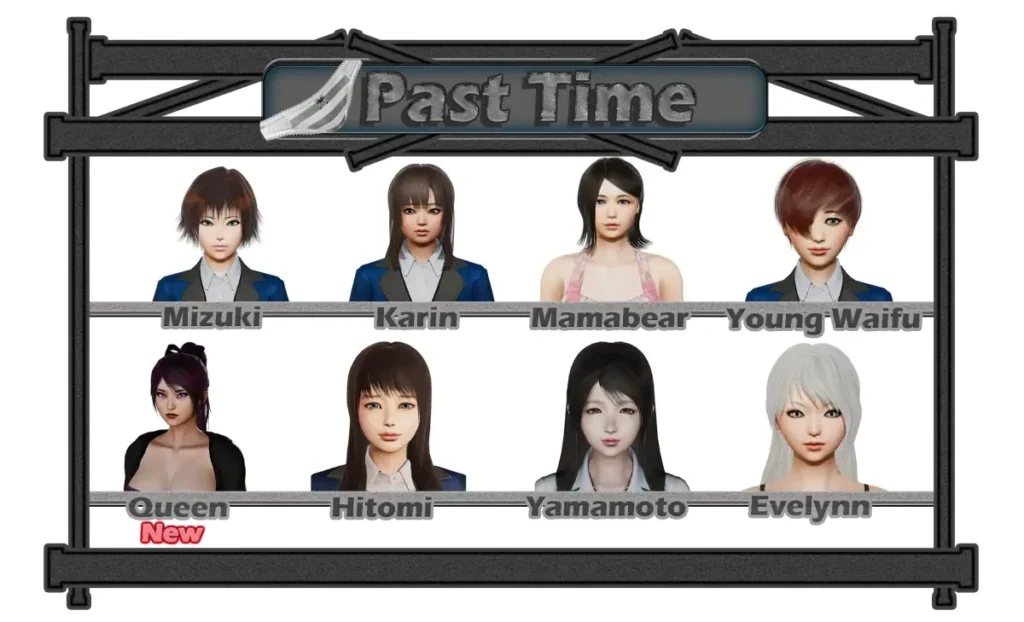
What truly sets this interactive storytelling game apart is its staggering scope for growth and connection. The game boasts a living world with over 50 characters already present, and plans to expand beyond 100. Among these, 13 are currently established as main characters, each with meticulously crafted personalities, backstories, and motivations. This isn’t a static roster; it’s a bustling ecosystem. Every student and teacher feels like they have their own life happening just outside the frame of your screen. Your journey is about finding your place within it.
To quickly grasp the pillars of this experience, here are the key gameplay features that define your interaction with the world of Ecchi Sensei:
- Text & Art-Driven Progression: Advance the story by reading dialogue and narration, accompanied by beautiful character sprites and background art.
- Meaningful Dialogue Choices: Regularly presented with key decisions that directly influence character relationships and plot direction.
- Individual Character Routes: Pursue dedicated storylines with specific main characters, unlocking unique scenes and narrative arcs.
- Branching Narrative System: Your choices create ripple effects, leading to multiple potential story outcomes and endings.
- Slice-of-Life Management: Balance your role as a teacher with personal time, impacting your energy and available opportunities.
- Ongoing World Expansion: Regular updates introduce new characters, events, and story chapters, making the game world dynamic.
This focus on depth over breadth—where knowing a character feels rewarding—is what defines the Ecchi Sensei visual novel format. It’s a game that asks, “Who do you want to be in this story?” and then gives you the tools to answer that question in a surprisingly profound way.
Story Structure and Character-Driven Gameplay
Diving into Ecchi Sensei feels less like starting a game and more like being handed the reins to a compelling drama series. 📚 The story structure is a brilliant blend of linear introduction and explosive divergence. Those first few in-game days serve as a guided tour, establishing the setting, your core responsibilities, and introducing you to key faces around the school. It’s comfortable, familiar, and designed to make you feel settled. But this is all a carefully laid foundation. Once the game trusts you understand the basics of this life—teaching classes, attending meetings, navigating the staff room—it begins to peel back the layers.
This is where the character-driven narrative takes full command. Each of the 13 main characters is essentially a doorway to a completely different novel. One might be a diligent student council president hiding family pressures, while another could be a seemingly aloof art club member with a secret passion. The game’s genius is that these stories aren’t isolated. Your interactions with one character can affect your reputation with another. A piece of gossip heard in the hallway might inform a conversation you have later, creating a wonderfully interconnected feel. The dialogue-focused adventure game loop becomes irresistibly engaging: engage in conversation, learn a new detail, see how that detail changes your perspective on the next conversation.
Central to this are the visual novel romance routes. These are the dedicated narrative paths you can pursue by consistently making choices that align with a particular character’s interests and values. It’s not just about picking flirtatious options; it’s about understanding them. Supporting a character’s goals, remembering their personal struggles, and choosing to spend your limited free time with them are what deepen your bond. Each route offers a self-contained emotional arc, full of its own conflicts, triumphs, and tender moments. This design means your replay value is enormous. One playthrough could be a sweet, slow-burn connection with a shy classmate, while the next could be a more dramatic and complex entanglement with a fellow teacher.
The Ecchi Sensei gameplay mechanics actively support this narrative depth through character progress. Think of it less as “leveling up” and more as “growing closer.” Your relationships are the core metric of success. The game masterfully uses a slice-of-life theme to ground all these interactions. You’re not just a romance-seeking protagonist; you’re a professional with a job. You have to manage your time between grading papers, preparing lessons, and your personal life. Unexpected events—a festival planning committee, a student in crisis, a sudden rainstorm that strands you after school—feel organic and push the story forward in believable ways.
| Gameplay Aspect | How It Serves the Narrative |
|---|---|
| Dialogue Choices | Directly shape character opinions, unlock unique scenes, and steer the plot toward different endings. |
| Time & Energy Management | Forces meaningful decisions about who to spend time with, making relationships feel earned and valuable. |
| Character-Specific Events | Provides deep dives into individual backstories and personalities, enriching the main story. |
| Branching Story Triggers | Often hidden or subtle choices that can completely alter a character’s route or the overall story outcome. |
This structure creates a powerful interactive storytelling game loop. The narrative isn’t something that happens to you; it’s something you actively author through thousands of small, deliberate decisions. New content updates are eagerly anticipated by the community not just for “new features,” but for new chapters in an ongoing story they feel personally invested in.
How Player Choices Shape Your Journey
This is where the soul of the Ecchi Sensei visual novel truly lives. In many games, choices are illusions—minor detours that lead back to the same main road. Not here. In Ecchi Sensei, your branching story choices are the architects of your entire experience. 🏗️ From the moment you select your first dialogue response, you are programming the narrative’s DNA. The game remembers everything, and I mean everything. A kind word to a nervous student on Day 5 might be the reason she confides in you during a crisis on Day 45. Conversely, a dismissive comment might close a door permanently, locking you out of an entire subplot or character route.
The brilliance of this system is its subtlety. Not every choice is presented as a dramatic, screen-pausing dilemma. Many are woven seamlessly into casual conversation. You might be chatting with a group of students after school, and the game will present three different ways to contribute to the discussion. One option might be humorous, another more serious, and a third more advisory. Each will resonate differently with each character present. One student might appreciate your humor, another might respect your serious take, and a third might be impressed by your wisdom. This turns every interaction into a small, meaningful puzzle where you decide what aspect of your teacher-persona you want to show.
Let’s walk through a concrete example. Imagine it’s your first week, and you encounter a student, let’s call her Aiko, struggling to carry a stack of library books. The game presents you with a simple branching story choice:
- “Let me help you with those.” (Direct and helpful)
- “That looks heavy! The library must be counting on you.” (Friendly and observant)
- “You should make two trips.” (Practical but less engaged)
Choosing option 1 might immediately boost your connection with Aiko, painting you as kind and hands-on. This could unlock a short, friendly conversation right then, establishing an early bond. Choosing option 2 might show you’re perceptive and initiate a longer chat about her role in the library club, potentially unlocking that as an activity location later. Option 3, while logical, might do little for your relationship, keeping her as just another face in the hallway for now.
Weeks later, when a subplot involves the library needing volunteers for a big event, your earlier choice directly impacts access. A strong early bond with Aiko might mean she personally seeks you out for help, leading to a unique story sequence full of its own choices. A neutral relationship might mean you simply see a notice on the bulletin board. That one small, early decision created a branching narrative path that fundamentally altered how a slice of the game world opened up to you. This is the core of Ecchi Sensei gameplay mechanics—a cascade of consequences that makes your playthrough uniquely yours.
This philosophy extends to the visual novel romance routes. Pursuing a character isn’t about checking boxes on a list of tasks. It’s about consistently demonstrating, through your branching story choices, that you understand and support them. Do you encourage the aspiring athlete to prioritize training, or advise caution about her studies? Do you offer strict guidance to the troubled student, or a more compassionate, listening ear? There’s rarely a universally “correct” answer, only choices that align with the character’s needs and, in turn, define your own protagonist’s personality. You are quite literally writing your own character’s role in this dialogue-focused adventure game through every interaction.
My Personal Insight: The most memorable moment I had was on a second playthrough. I made a different, seemingly inconsequential choice in the first week regarding a club fundraiser. It felt trivial at the time. But 20 hours later, that choice determined which of two students ultimately confessed a major personal secret to me, sending their respective romance routes in wildly different emotional directions. It was a stunning lesson in how the game plants narrative seeds early and nurtives them over a long, compelling harvest.
This level of detail in interactive storytelling ensures that no two journeys through Ecchi Sensei are the same. Your story is a tapestry woven from the threads of every conversation, every decision, and every quiet moment you choose to share with someone. It transforms the game from a passive story into a deeply personal character-driven narrative where you are both the author and the protagonist, discovering the heart of a small town—and your own place within it—one meaningful choice at a time. 🍃
Ecchi Sensei delivers a compelling visual novel experience centered on meaningful player choices and character relationships. The game’s strength lies in its focus on dialogue, character progression, and branching narratives that adapt to your decisions. With a diverse cast of characters, each with unique personalities and romance storylines, the game offers substantial replay value as you explore different relationship paths. The slice-of-life setting combined with the school environment creates an engaging backdrop for character interactions and story development. Whether you’re drawn to the narrative depth, character customization through relationship choices, or the promise of ongoing content updates, Ecchi Sensei provides an immersive interactive storytelling experience that rewards player engagement and exploration of its multiple story branches.