Angel Legion
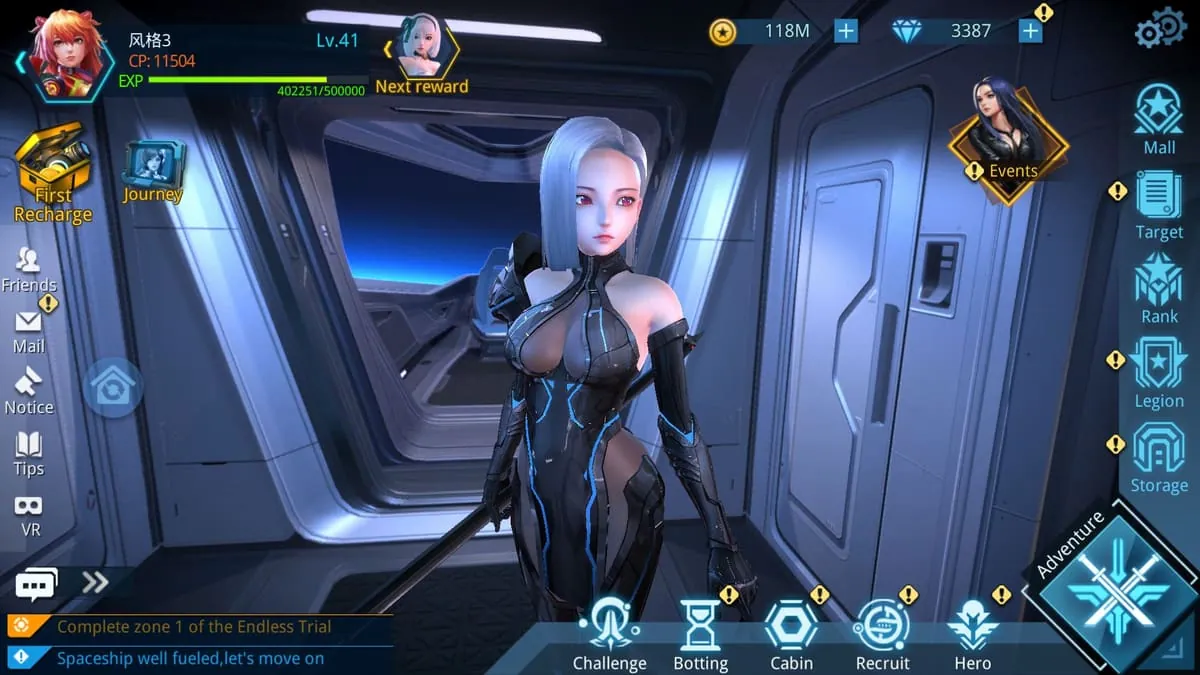
Angel Legion Screenshots

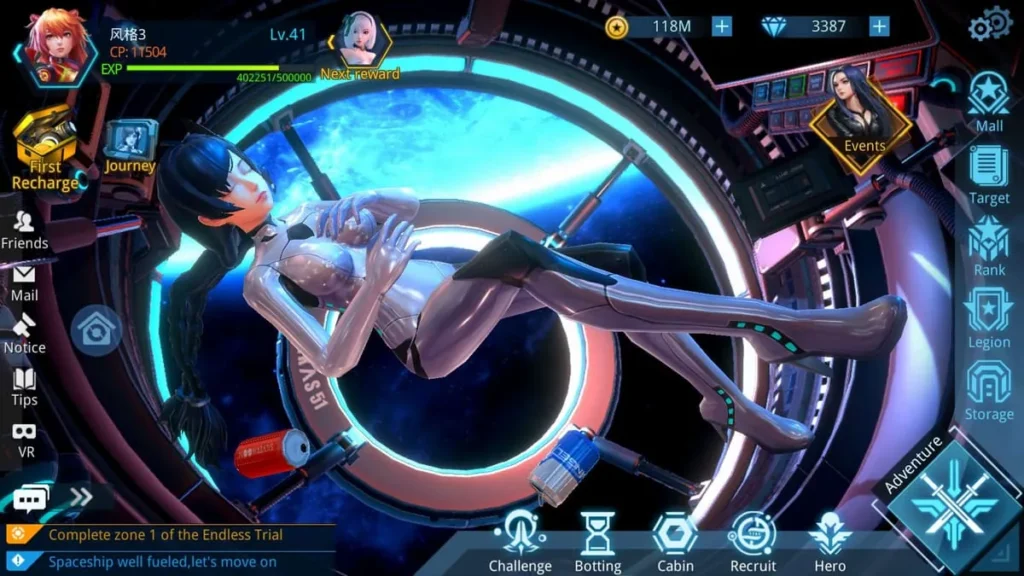
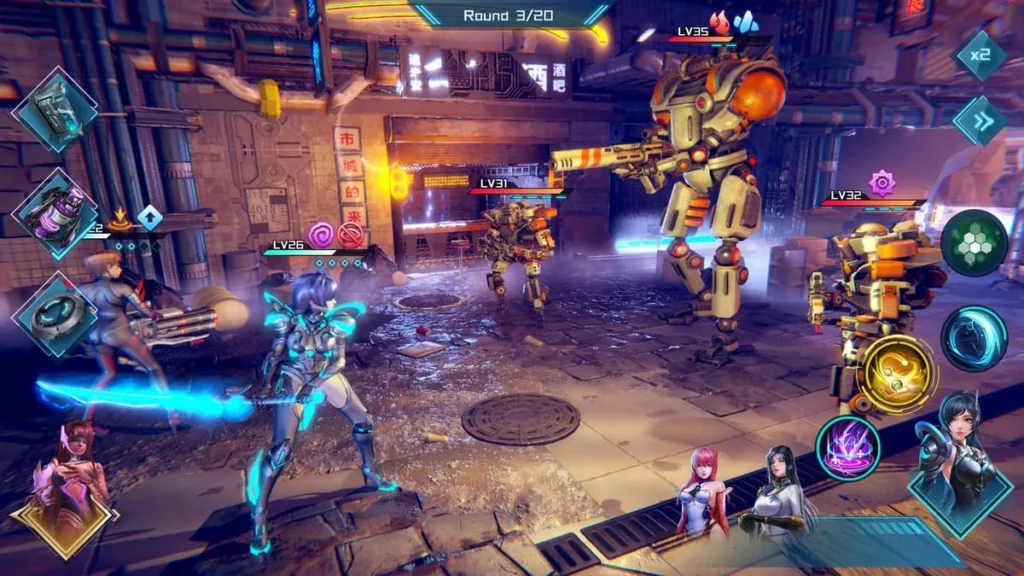
Angel Legion review
Master turn-based combat, team synergy, and game modes in this space RPG adventure
Angel Legion stands out as a compelling blend of strategic turn-based combat and immersive idle RPG mechanics set within a beautifully crafted space adventure universe. Whether you’re new to the game or looking to optimize your squad composition, understanding the core gameplay systems is essential for progression. This guide covers everything from battle mechanics and skill synergy to exploring diverse game modes that keep the experience fresh and rewarding. Learn how to build effective teams, master strategic depth, and unlock the full potential of your Angel roster as you advance through this expansive space opera.
Mastering Angel Legion Combat Systems and Team Strategy
Ever feel like you’re just throwing your strongest Angels at a problem in Angel Legion and hoping for the best? 🤔 I was stuck in that exact loop for weeks. My squad was a mismatched collection of whoever had the highest power number, and I’d just hit “Auto-Battle,” watching the chaos unfold. It worked… until it didn’t. I hit a wall on a campaign mission where a sneaky enemy healer kept undoing all my damage. I was furious! 😤 That’s when I realized Angel Legion turn-based combat isn’t a stats-check; it’s a brilliant, tactical chess match set amongst the stars. Mastering it is the key to unlocking the entire game. This guide is the deep dive I wish I’d had, pulling back the curtain on Angel Legion combat mechanics to transform you from a button-masher into a strategic commander. 🧠✨
How Turn-Based Combat Works in Angel Legion
Let’s strip it back to basics. At its heart, Angel Legion’s combat is a sequential, team-based duel. You field a squad of up to five Angels, who face off against an enemy team. Unlike some chaotic real-time brawls, here, every action is deliberate. The order of these actions is the first and most crucial layer of strategy, governed by one stat: Speed.
Think of the combat timeline as a race track. 🏁 Every Angel, friend or foe, has a Speed stat. At the start of a battle, everyone lines up. The Angel with the highest Speed takes the first turn. Once they’ve performed an action (using a basic attack, a powerful skill, or an item), they move back in the queue based on their Speed value, waiting for their next turn to come around. This creates a dynamic, unpredictable flow where a fast supporter can act twice before a slow, heavy-hitting attacker gets a single swing in.
Pro Tip: Don’t ignore Speed gear or substats! A healer who acts before the enemy’s attackers can place defensive shields, completely nullifying their opening salvo. This simple timing shift can win battles you’re “statistically” supposed to lose.
This Angel Legion turn-based combat system means you’re constantly planning ahead. It’s not just about what skill to use, but when. Do you use your damage-dealer’s ultimate now to finish a weak enemy, or do you wait one more turn so your buffer can first apply an attack-up effect, making that ultimate hit 30% harder? These are the decisions that define victory. The “Auto” function is great for farming easy stages, but for real challenges, manual control is where you’ll find the depth and satisfaction of the Angel Legion combat mechanics guide.
Understanding this flow is step one. Step two is assembling a cast of characters whose abilities don’t just exist in a vacuum, but actively empower one another. That’s where true power lies.
Building Synergistic Teams with Unique Angel Skills
Here’s the big secret I learned after that humiliating loss: a team of five individual superstars will lose to a cohesive unit of five average Angels working in perfect harmony every single time. Winning requires mastering Angel Legion team composition and the magical concept of Angel Legion skill synergy.
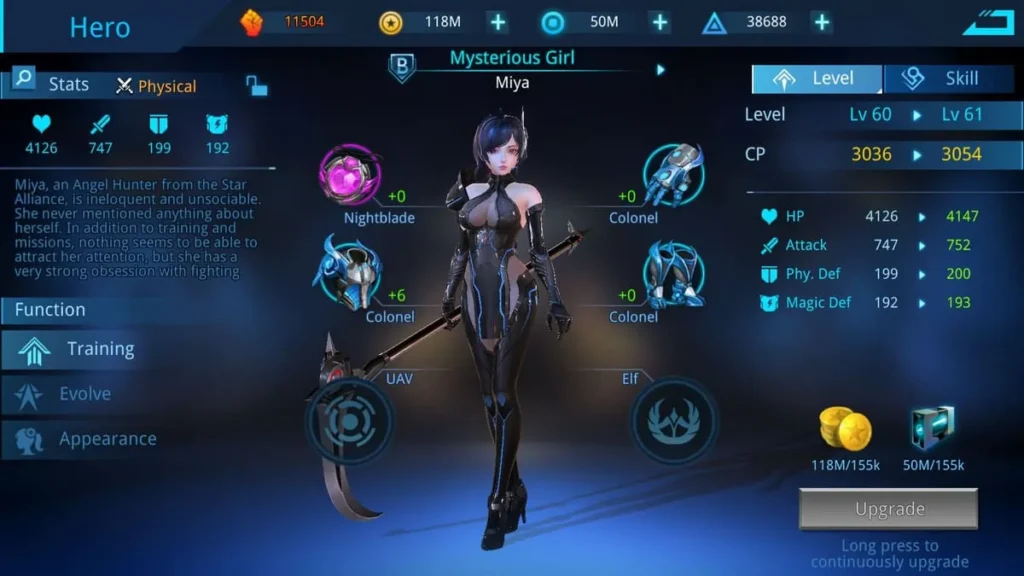
Every Angel comes with a toolkit of active and passive skills. The actives are what you click in battle. The passives are always-on effects or triggers that happen under certain conditions (e.g., “When an ally’s HP falls below 50%, grant them a shield”). Angel Legion character skills and abilities are designed to interlock.
Let me give you a personal case study. I was struggling against a boss that dealt massive area-of-effect (AoE) damage every third turn. My “all attackers” squad kept getting wiped. I then looked closer at my Angels’ kits. I had one, let’s call her “Keeper Astra,” whose passive stated: “After using a healing skill, grant all allies Damage Reduction for 1 turn.” Another, “Seraphina,” had an active skill that said: “Deal damage to all enemies. If an ally has a Damage Reduction effect, this skill’s critical hit chance is doubled.”
See the connection? 💡 I wasn’t just adding a healer; I was creating a combo. The sequence became: Boss’s big turn approaches -> Keeper Astra heals (triggering Damage Reduction for everyone) -> Seraphina unleashes her empowered AoE with high critical chance on my next turn. The synergy turned a defensive move into an offensive powerhouse. This is the essence of how to build teams in Angel Legion.
Successful Angel Legion squad strategy revolves around filling core roles that cover each other’s weaknesses. Think of your team like a balanced RPG party:
- The Defender (The Wall): 🛡️ Their job is to soak damage, often taunting enemies to attack them. They have high HP and Defense, and their skills might provide crowd control (stuns, freezes) or protect allies.
- The Attacker (The Spear): ⚔️ Pure damage dealers. They focus on high Attack and Critical stats. Some specialize in nuking single targets, while others excel at clearing groups of weaker enemies.
- The Healer (The Heart): 💖 Essential for longevity. They restore HP, remove harmful debuffs from your team, and are often the difference between a wipe and a clutch victory.
- The Buffer/Debuffer (The Mind): 🎭 The strategic masterminds. Buffers enhance your team’s stats (Attack Up, Defense Up, Speed Up). Debuffers weaken the enemy (Attack Down, Defense Down, preventing healing). They magnify your team’s effectiveness and cripple the enemy’s.
The art is in mixing and matching these roles based on the Angels you have, looking for those golden threads of Angel Legion skill synergy. A buffer who gives “Critical Damage Up” paired with an attacker whose skills have innate high critical chance is a match made in heaven.
To make this clearer, let’s break down these roles and what to look for:
| Role | Primary Function | Key Stat Priorities | Example Synergy Goal |
|---|---|---|---|
| Defender | Absorb damage, draw enemy attacks (Taunt), provide crowd control. | HP, Defense, Effect Resistance | Pair with a Healer who has skills that scale healing based on the target’s max HP. |
| Attacker | Eliminate high-priority targets, deal sustained or burst damage. | Attack, Critical Rate, Critical Damage, Speed | Pair with a Buffer who can apply “Defense Down” to the enemy or “Attack Up” to your team. |
| Healer | Sustain the squad, cleanse debuffs, provide emergency shields. | Healing Power, HP, Speed | Pair with a character whose passive triggers when healed (e.g., “Gain 20% increased damage after receiving healing”). |
| Buffer/Debuffer | Amplify your team’s power, reduce enemy effectiveness, manipulate turn order. | Speed, Accuracy, Effect Hit Rate | Act before your Attackers to ensure their big moves are enhanced. A Defense Down debuff makes every subsequent attack hit harder. |
Strategic Squad Composition for Different Challenges
Now for the fun part: applying all this theory. A perfect Angel Legion team composition for the campaign story might get shredded in a specialized dungeon or against a specific PvP opponent. A true master adapts their Angel Legion squad strategy to the challenge at hand. This is where Angel Legion turn-based combat becomes less of a routine and more of a puzzle to be solved.
Your first job in any new, tough battle is scouting. Tap on enemy units before the fight. What are their skills? Do they have a powerful heal? A devastating third-turn AoE? A nasty poison effect? Your squad build should be a direct counter.
Example: Countering the “Tank & Spank” Boss
Early on, I faced a boss flanked by two healing-support minions. The boss was slow but hit like a truck. The minions were fast and would heal the boss every other turn. My initial all-out-attack strategy failed because I couldn’t out-damage the healing.
Here’s how I adapted my Angel Legion squad strategy:
- Identify the Win Condition: I needed to stop the healing.
- Team Composition:
- 1x Primary Attacker: A single-target specialist to focus the boss.
- 1x Controller/Debuffer: An Angel with a skill that applied “Healing Prevention” or “Silence” to the minions. This skill had to be on a short cooldown.
- 1x Secondary Attacker/AoE: To quickly clear the minions once their healing was locked down.
- 1x Healer: To keep my team alive through the boss’s powerful hits.
- 1x Buffer: To increase my main attacker’s damage to break through the boss’s high defense.
- The Execution: The battle plan was surgical. Turn 1: My debuffer silences the most dangerous minion. My buffer boosts my main attacker. My secondary attacker weakens the minions. Turn 2: Focus fire on the silenced minion to kill it. My debuffer now targets the second minion. By Turn 3, both minions are down or neutralized, and it’s a 5-vs-1 against the boss, which my sustained team could easily manage.
This is the practical application of how to build teams in Angel Legion. You’re not just bringing “good characters”; you’re bringing a tailored solution.
Here are some quick-fire strategic templates for common scenarios:
- Against High-Speed Enemy Teams: Prioritize your own Speed stats. Include a buffer who can cast a team-wide Speed Up at the very start. Consider a Defender with a Taunt that has an “Open” effect (acts first regardless of Speed) to disrupt their combo.
- Against “Glass Cannon” Teams (High Damage, Low HP): Bring a sturdy Defender with Taunt to redirect the scary single-target hits. AOE (Area of Effect) attackers are great here to damage their entire fragile backline at once.
- For Long, Sustained Dungeons (like Resource Stages): Double down on healing and defensive buffs. You might trade a buffer for a second Healer or a Defender with self-sustain. Damage over time effects can be very efficient here.
Remember, understanding Angel Legion character skills and abilities is your ultimate weapon. Read every skill description—not just the damage number. Look for words like “ignores defense,” “applies burn,” “steals buffs,” “grants immunity.” These effects often matter more than raw power.
Mastering Angel Legion turn-based combat is a journey of constant learning and adaptation. Start by understanding the turn order, then graduate to building teams with intentional Angel Legion skill synergy. Finally, scout your enemies and craft the perfect counterplay with a flexible Angel Legion squad strategy. Ditch the “Auto” button for your toughest fights, experiment with your roster, and you’ll find that each victory becomes a personal triumph of tactics over brute force. Now, go forth, Commander—your Angels are waiting for your orders. 🚀👊
Angel Legion offers a rich and rewarding experience for players who invest time in understanding its layered systems. From mastering turn-based combat mechanics and building synergistic teams to strategically navigating diverse game modes, success in this space RPG requires both tactical thinking and consistent progression planning. The key to advancement lies in balancing your time between story campaigns, competitive arenas, challenging trials, and resource farming activities. By applying the strategies outlined in this guide—focusing on skill synergy, team composition, and efficient mode rotation—you’ll unlock the full potential of your Angel roster and enjoy everything this expansive universe has to offer. Start with the mainline story to build your foundation, then gradually expand into specialized modes as your squad grows stronger.